During renovations in many Sydney homes, walls that once seemed good enough often start to stand out for the wrong reasons. Older brick houses, post-war homes, and renovated terraces frequently reveal cracks, uneven surfaces, or layers of past patching once rooms are stripped back. What looked acceptable before can suddenly feel out of place in a freshly updated space.
It’s usually at this stage that homeowners ask whether re-plastering existing walls is enough or if replacing old linings will deliver a better long-term result. In this article, we break down the difference between re-plastering and wall replacement during a renovation, helping you understand which option suits your home’s condition, renovation scope, and how you plan to live in the space once the work is complete.
Signs Your Walls Need More than Cosmetic Attention
Renovations often expose wall issues that weren’t obvious before. Older Sydney homes have layers of past repairs that can hide deeper problems that aren’t revealed until rooms are stripped back.
Signs that walls may need more than simple refresh include:
- Widespread cracking, rather than isolated hairline marks
- Uneven or wavy wall surfaces, often noticeable once lighting changes e.g. removing an internal wall to create a bright open plan living area
- Corners, joins, or ceilings that no longer line up cleanly
- Walls that feel soft, fragile, or inconsistent in certain areas
These issues won’t improve with repainting alone. In fact, they become more noticeable once a renovation is finished and modern lighting highlights surface imperfections.
Understanding the Difference: Re-Plastering vs Wall Lining Replacement
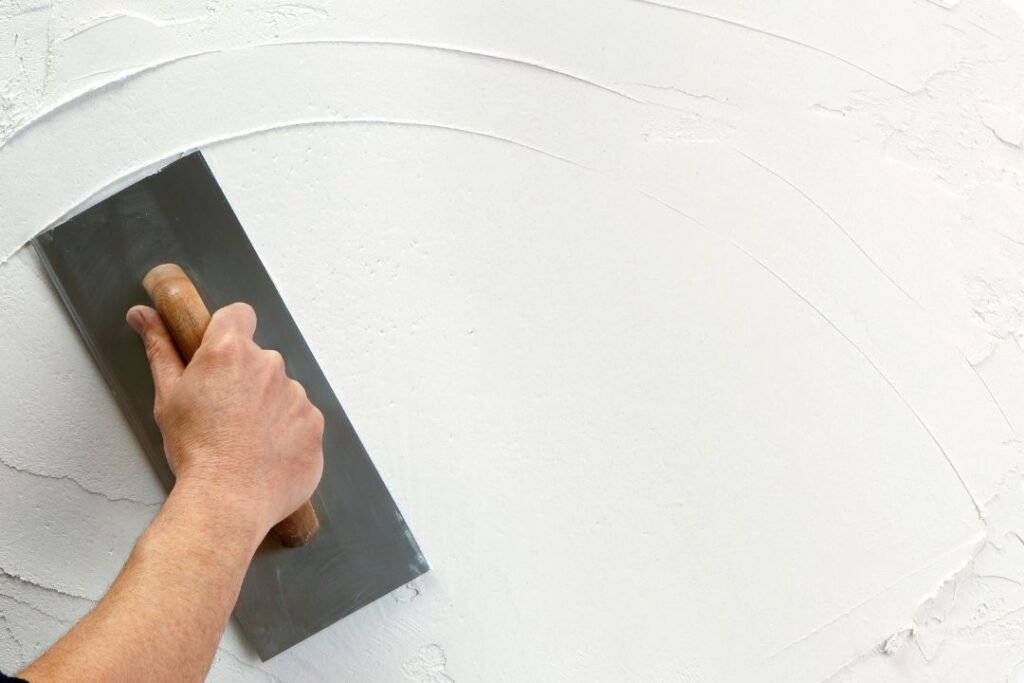
Re-plastering involves working with the existing wall structure to improve surface quality. This means correcting uneven areas, strengthening weak sections, and smoothing over years of patching without removing the original wall lining. It’s often used where the underlying structure is still sound but the surface finish has deteriorated over time.
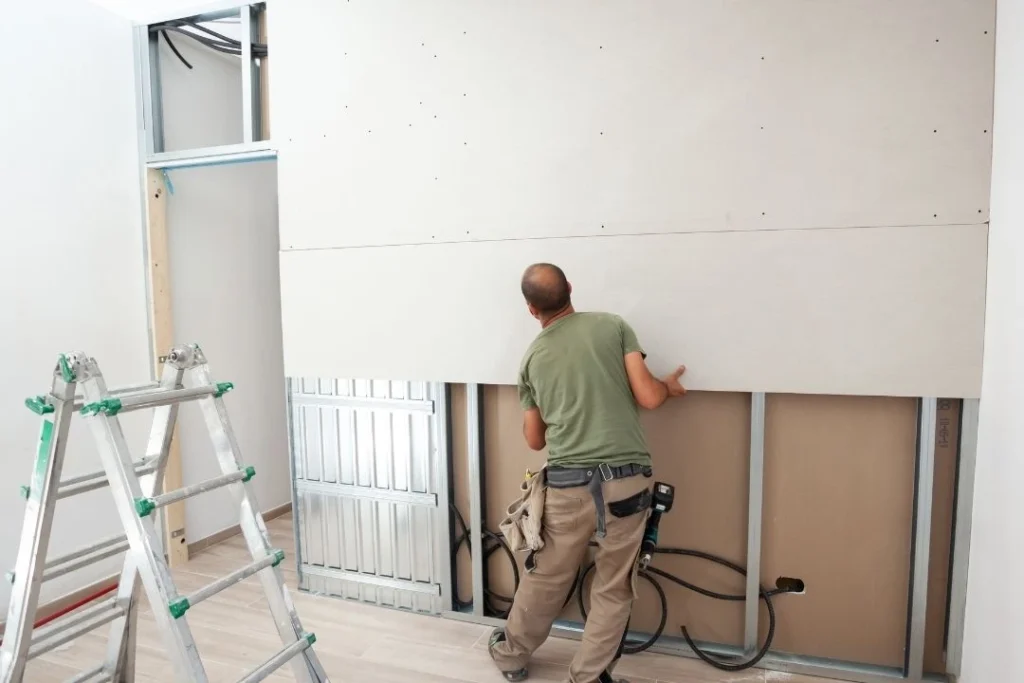
Replacing wall lining means removing old linings and installing new plasterboard from the framing out. This approach is more common in larger renovations or older homes with walls that have shifted, been repaired multiple times, or wall insulation is being installed. Both options deliver good results, but they solve different problems depending on the home’s condition.
Cost Comparison: Short-Term Savings vs Long-Term Value
Re-plastering is the more cost-effective option when walls are still in reasonable condition and the issues are mostly on the surface. Working with existing walls keeps labour and material requirements lower, which helps contain costs during smaller or targeted renovations. When the underlying structure is sound, this delivers good results without expanding the scope unnecessarily.
Replacing walls costs more upfront because old linings are removed and new plasterboard is installed. But it also reduces uncertainty about future cracking, patching, or repairs after painting since you’re starting with a new surface. For larger renovations, this longer-term predictability is an important part of the overall value.
Timeline and Disruption During a Renovation
During a renovation, re-plastering can sometimes be quicker when only specific walls need attention, making it suitable for smaller or staged updates. Replacing walls involves more work upfront, but when a renovation already includes electrical, plumbing, or insulation changes, it integrates more smoothly into the overall timeline. In these cases, opening up walls can be less disruptive than revisiting them later after new finishes are installed.
Durability and Longevity of the Finished Walls
How long walls hold up after a renovation depends largely on what sits beneath the final surface. Re-plastering relies on the condition of existing wall lining, which means older materials, previous repairs, or subtle movement can limit how durable the finished result will be over time. Even when the surface looks good initially, weaknesses underneath can show up later, particularly after painting and lighting are installed. This is especially true where movement-related wall damage has been an ongoing issue.
Replacing walls provides a fresh, consistent base from the start. New plasterboard offers uniform strength and surface quality, helping finishes last longer and reducing the likelihood of cracks or recurring repairs. For homeowners planning to stay in their home long-term, durability can be an important factor in deciding whether replacement is more worthwhile during a renovation.
Energy Efficiency and Insulation Considerations
Renovations are often the only time homeowners get access to what sits behind their walls. In older homes, insulation can be outdated, inconsistent, or missing altogether, which affects comfort and energy efficiency year-round.
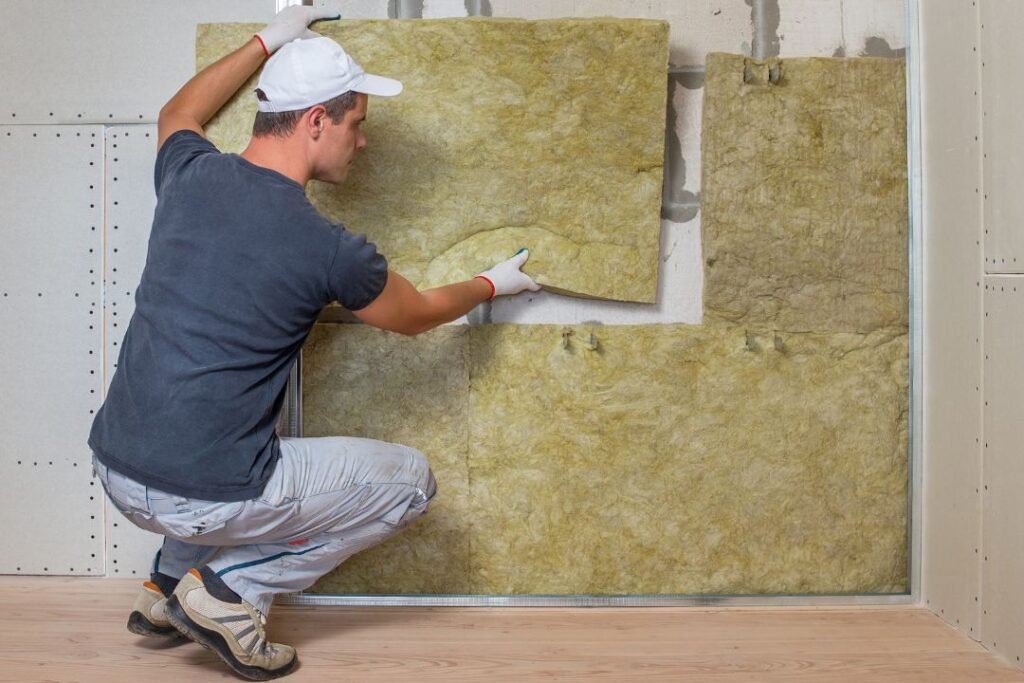
Re-plastering improves the surface but doesn’t address what’s behind it. Replacing walls allows insulation to be upgraded, air gaps to be reduced, and services to be checked before everything is sealed up again. For many renovations, this makes wall replacement less about appearance and more about improving how the home performs.
Aesthetic Outcome: What Each Option Delivers
The visual result of a renovation comes down to how clean and consistent the wall surfaces are once everything is finished. Re-plastering can significantly improve the look of existing walls, but subtle imperfections from the original structure may still remain. These can become more noticeable in renovated spaces where lighting is brighter and finishes are more refined.
Replacing walls allows for straighter lines, crisper corners, and more consistent junctions between walls, ceilings, and built-in features. This makes it easier to achieve modern detailing and a more polished overall finish.
Which Option Suits Which Situation?
Every renovation is different and the right approach depends on the condition of the walls and the scope of the work planned.
Re-plastering may be suitable when:
- Wall issues are localised rather than widespread
- The underlying structure is stable and generally sound
- The renovation is limited to cosmetic updates or individual rooms
Replacing walls may be the better option when:
- Multiple rooms or the entire home are being renovated
- Walls show signs of age, movement, or repeated past repairs
- Insulation, wiring, lighting, or layout changes are part of the renovation.
Rather than being a choice between cheap and expensive, this decision is about selecting the option that best supports the finished home, overall scope of the renovation and avoids repeat work once the renovation is complete.
Making the Right Call During a Renovation
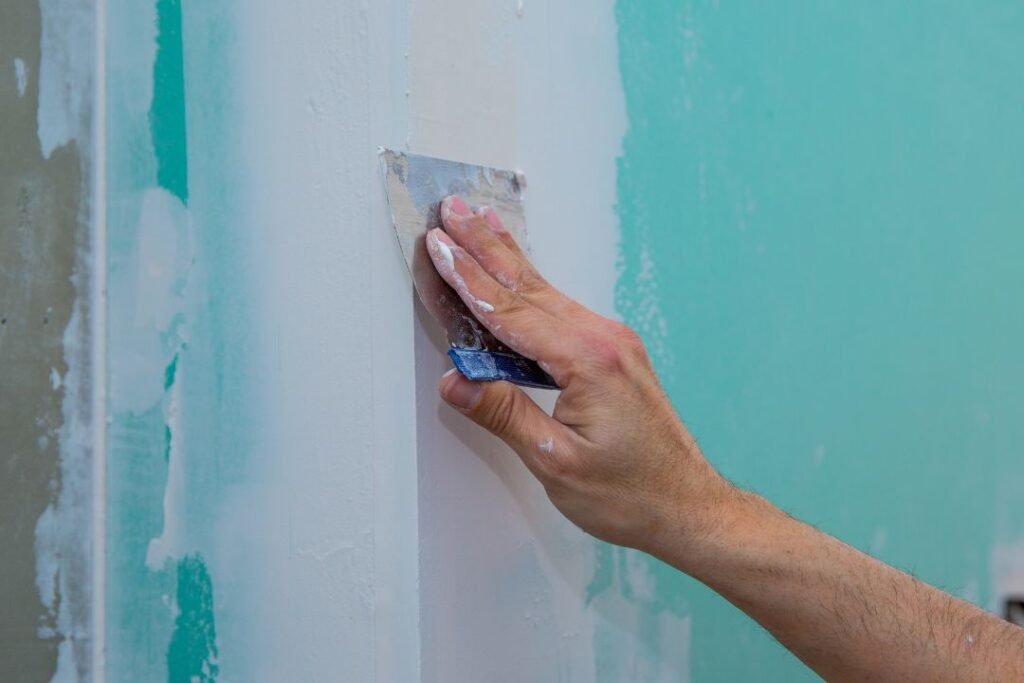
Renovations are the best opportunity to address wall issues properly rather than working around them. Once new finishes are installed, returning to fix underlying problems becomes disruptive and costly, which is why making the right call early matters. Having the walls assessed by an experienced plasterer in Sydney while they’re exposed allows decisions to be based on the actual condition of the structure and not just on how the surface looks before it’s painted.
This kind of early decision-making is part of the process of preparing to renovate a home, where identifying and addressing underlying issues before finishes go on helps avoid unnecessary rework later.
Talk Through Your Options Before You Commit
If you’re renovating and weighing up whether to re-plaster or replace old walls, it helps to talk it through with someone who does renovation plastering every day. We can assess your walls as part of the renovation process and explain which option will deliver the most reliable results for your home.
When you’re ready, you can call us on 0415 801 028 for a free consultation and a no-obligation quote so you can move forward with your project.