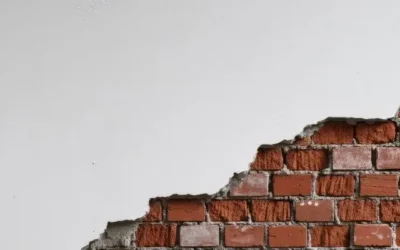
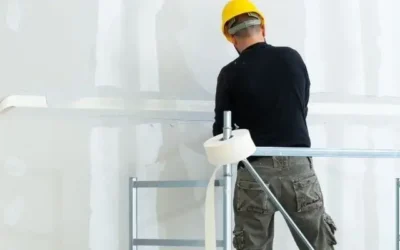
Plasterboard walls and ceilings are often treated as a permanent part of the home. Once they’re installed and painted, most people don’t think about them again. But like any surface, plasterboard has a lifespan, and in Sydney homes, that lifespan can vary quite a bit. While it can hold up well for decades, there are factors that influence how walls and ceilings age. This article explains how long plasterboard typically lasts in Sydney homes and what can affect it.
How Long Plasterboard Usually Lasts
Plasterboard walls and ceilings commonly last 50 years or more in many Sydney homes. In a lot of cases, the board itself remains sound well beyond that timeframe, which is one of the many reasons plasterboard is widely used in home renovations. What tends to show wear first is usually the joints, and fixing.
How long plasterboard lasts depends less on age and more on the conditions around it. Moisture exposure, installation quality, and ongoing movement in the home all influence how walls and ceilings hold up. Many issues that seem age-related are actually linked to environmental or structural factors rather than the plasterboard itself.
Why Lifespan Varies in Sydney Homes
Climate and Moisture
Sydney’s humidity, coastal air, and storm activity can affect how plasterboard ages over time. Areas like bathrooms, laundries are more exposed to moisture on a daily basis. Even low-level moisture can weaken plasterboard and the fixings holding it in place.
Building Movement
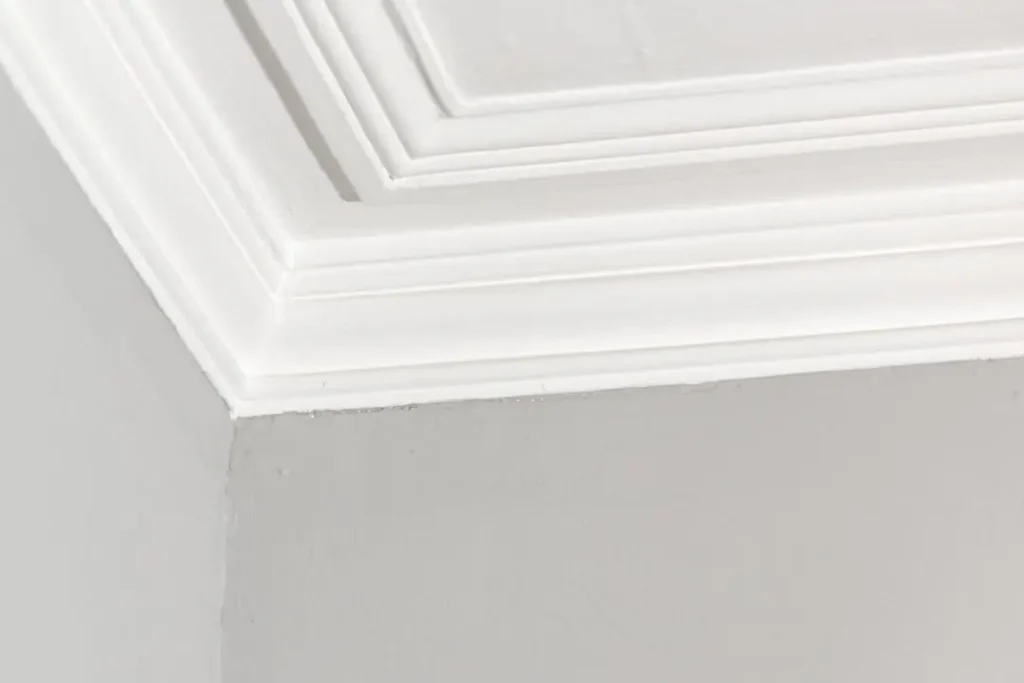
Most homes experience some degree of movement as they settle, especially older houses, extensions, and renovated areas. This movement usually shows up around joints, cornices, and ceilings rather than across the whole wall. Seasonal changes can make these issues more noticeable at certain times of the year. Additionally vibration from automatic garage door openers can also increase the demand on the fixing system of plasterboard ceilings.
Original Installation Quality
How the original plasterboard installation was carried out has a lasting effect on how walls and ceilings hold up. Good fixing, proper joint support, and straight framing help surfaces age evenly and stay looking consistent. When installation is rushed or poorly supported, issues don’t show up immediately, but appear years later.
Renovation Changes
The added disturbance caused by a renovation can place extra stress on older plasterboard. Vibration from demolitions, removing walls, or altering ceilings can reveal weaknesses that were previously hidden. Plasterboard that performed well before a renovation may struggle once the physical structure around it changes.
Signs Your Walls and Ceilings Need Attention
Plasterboard usually shows signs of wear gradually rather than failing all at once. Here are some signs that your walls or ceilings may be reaching the end of their useful lifespan:
Early warning signs:
- Hairline cracks around cornices, door frames, or ceiling joints
- Small nail pops or fixings becoming visible
Moderate issues:
- Cracks that reappear after painting
- Visible ridges or lines along plasterboard joints
- Slight ceiling movement or uneven areas that weren’t there before
Serious signs:
- Sagging or dropping ceilings
- Bulging walls or areas that feel soft to the touch
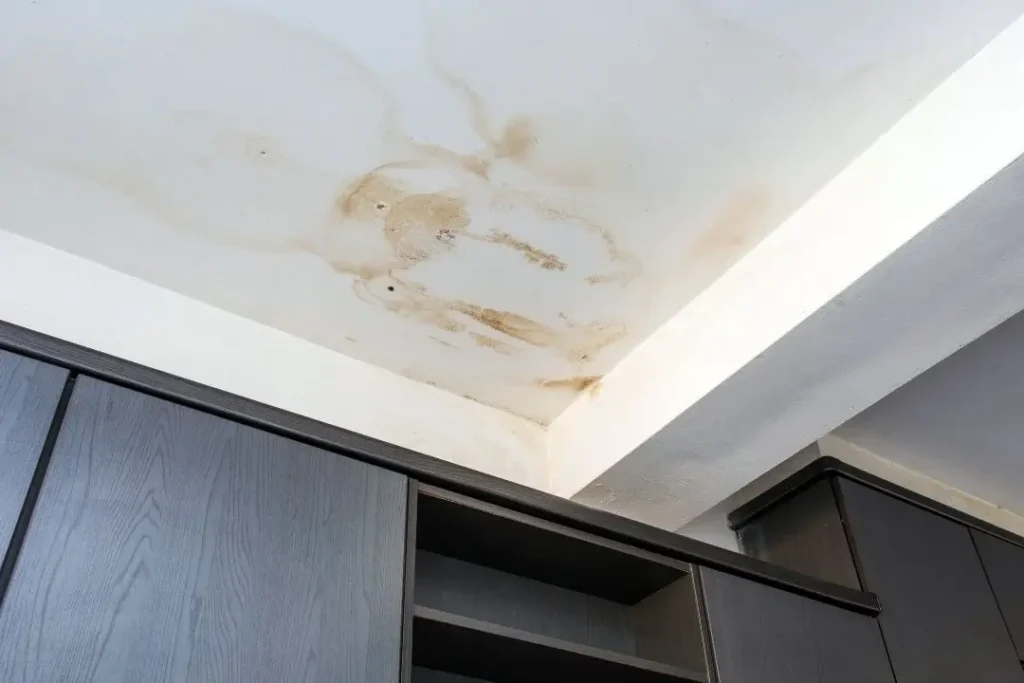
- Water stains, discolouration, or signs of past leaks
Catching these issues early can help avoid larger, more disruptive work.
How to Help Plasterboard Last Longer
General care and moisture control are widely recognised as important for maintaining plasterboard surfaces over time. A few simple habits can help extend the lifespan of plasterboard walls and ceilings:
- Manage moisture by fixing roof leaks quickly and keeping bathrooms and laundries well ventilated
- Avoid repeated patch-and-paint cycles, which can hide underlying issues rather than resolve them
- Be mindful during renovations, as new lighting, removed walls, or ceiling changes can place extra stress on older plasterboard
- Address small issues early before cracks and joint movement spread further
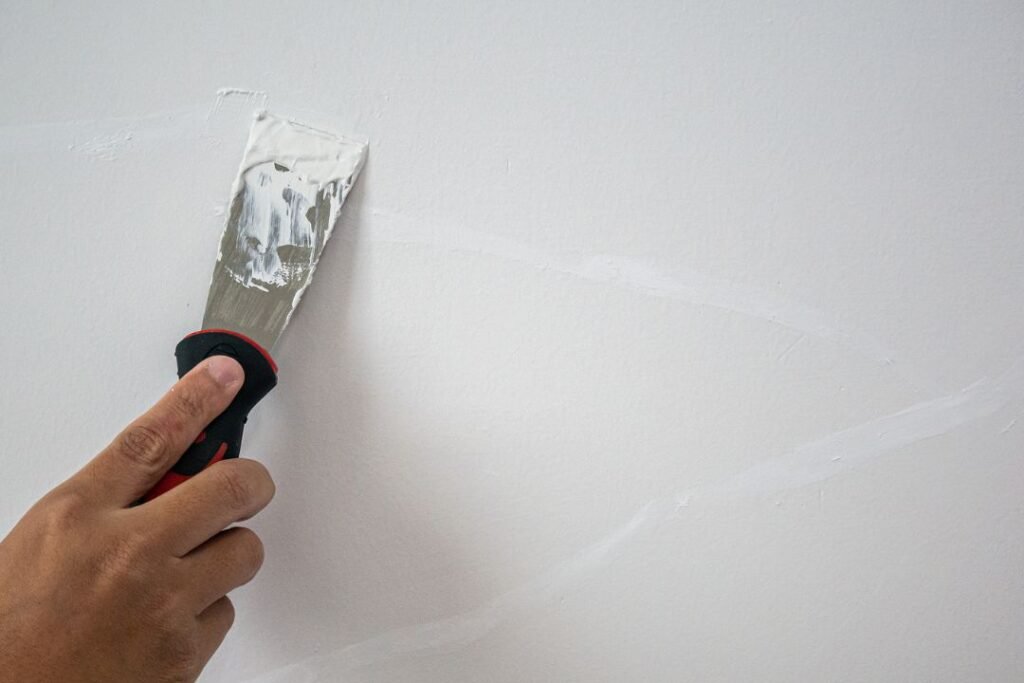
If wear and damage start to show, professional wall and ceiling repairs can often restore the surface and help prevent more extensive work later on.
What This Means for Sydney Homes
Plasterboard walls and ceilings can last for decades, but they’re still affected by moisture, movement, and changes made over the years. Most issues develop gradually and tend to show early warning signs before becoming more serious. Having your walls and ceilings checked when those early signs appear can help homeowners understand whether what they’re seeing is normal wear or something that needs attention.
A Clear Next Step
If you’d like clarity on the condition of your plasterboard walls or ceilings, Paul’s Plastering can take a closer look and provide clear guidance and a free quote. Call today on 0415 801 028!