As sustainability becomes a top priority in modern construction and renovation, Sydney homeowners, designers, and small business owners are rethinking their material choices for long-term health and environmental impact. Wall linings are often overlooked in the eco-material conversation, yet they cover vast surface areas in any build. By simply choosing greener options like recycled-content plasterboard and low-VOC joint compounds, it’s possible to reduce your carbon footprint and improve indoor air quality without sacrificing finish or function.
Whether you’re planning a new extension, designing a wellness studio, or upgrading a commercial space, here’s what you need to know about these sustainable wall lining solutions:
What is Recycled-Content Plasterboard?
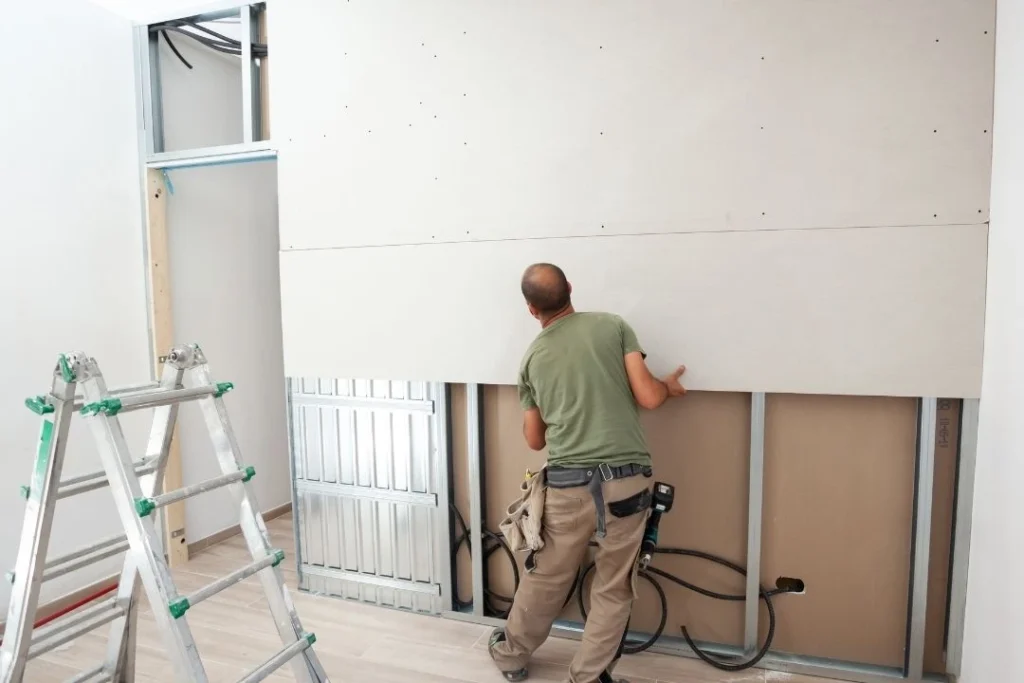
Recycled-content plasterboard looks and works like standard plasterboard but it includes reclaimed materials like recycled gypsum and paper liners. This often comes from manufacturing waste or construction off-cuts. This results in a board that reduces landfill and cuts down on virgin material use without compromising strength or finish.
Recycled content boards meet all Australian standards and can be installed using the same tools and techniques as standard plasterboard. Popular products like the Gyprock EC08 and Knauf Sheetrock HD are easy to source in Sydney and carry GECA or Good Environmental Choice Australia certification.
For homeowners and designers aiming for sustainability, recycled plasterboard is a simple and effective upgrade, perfect for everything from renovations in the Inner West or fitouts in the Sydney CBD.
Understanding Low-VOC Joint Compounds
Low-VOC joint compounds are formulated to reduce the release of airborne chemicals or volatile organic compounds (VOCs) during application and drying. In modern, well-sealed homes and commercial spaces, reducing VOCs can make a noticeable difference in indoor quality, especially for allergy-sensitive occupants or staff working in confined areas.
These products work just like standard compounds. They have the same smooth finish quality and easy handling, but without the strong odours or health concerns. They’re ideal for residential spaces like nurseries and home offices, as well as clinics, wellness studios, and commercial tenancies across Sydney.
Many low-VOC compounds meet indoor air quality standards recognised by certifications like GECA, and can contribute toward Green Star ratings. For Sydney renovators and business owners, they’re an easy way to support healthier spaces and meet sustainability goals without adding complexity to the build.
When Does It Make Sense to Use These Products?
Greener plastering products can technically be used in any wall system, but they’re especially valuable when health, comfort, or sustainability are key project drivers. In many Sydney builds, these materials make the most sense where indoor air quality, environmental impact, or long-term performance matter.
Residential Renovations & Extensions
In homes, recycled-content plasterboard and low-VOC compounds are ideal for spaces where people spend a lot of time, such as bedrooms and home offices. These products are also highly compatible with airtight plastering methods used in Passive House retrofits, where controlling airflow and emissions is critical to the building envelope’s performance. Whether you’re renovating a federation home or adding a granny flat, these materials offer a low-fuss way to build more responsibly.
Commercial & Hospitality Fit-Outs
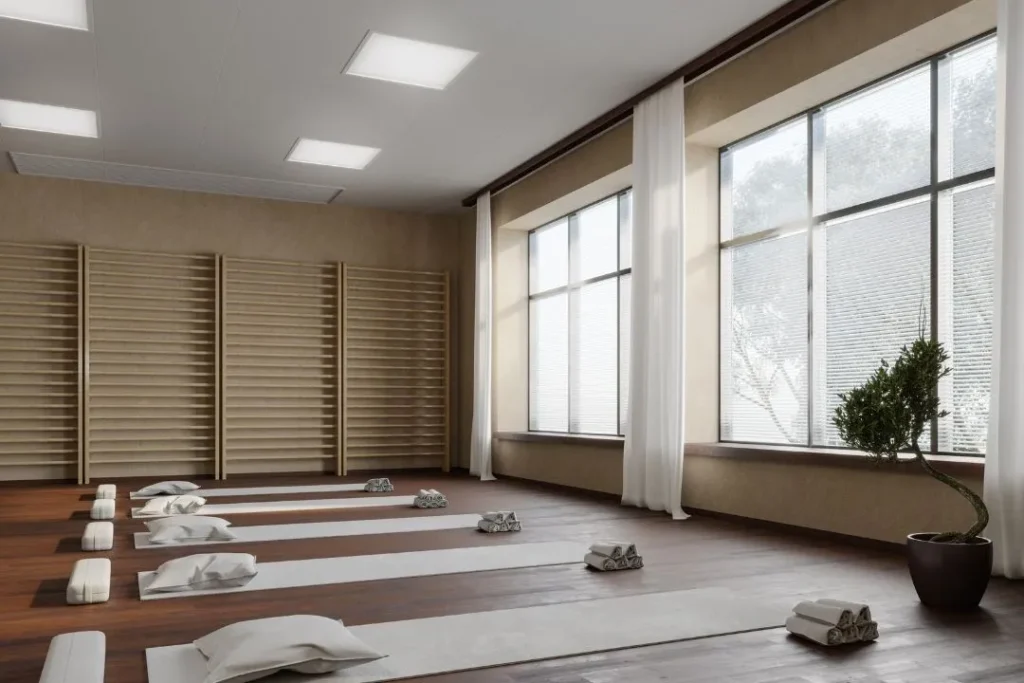
For commercial spaces, especially those promoting wellness or health-focused services, sustainable plastering products can help reinforce your brand values and meet indoor air quality standards. Yoga studios, massage clinics, dental rooms, and mental health offices benefit from low-VOC compounds that contribute to cleaner air. Similarly, cafes and eateries looking to market a clean, feel-good atmosphere may find these materials align with their broader sustainability goals.
New Builds vs Retrofits
While it’s easiest to use greener materials during the planning stage of a new build, they can still be incorporated into renovations. They’re particularly useful when replacing water-damaged plasterboards, upgrading health-sensitive rooms, or improving thermal and acoustic performance in older homes or units. Pairing eco-friendly wall linings with proper home insulation can also boost energy efficiency and year-round comfort in Sydney homes.
Cost & Availability in the Sydney Market
Cost is often a key factor for eco-conscious renovators and business owners. Fortunately, the price gap between sustainable and standard plastering products is steadily narrowing, making it easier to make greener choices without blowing the budget.
Recycled-Content Plasterboard
- Typically costs 8-15% more than standard plasterboard
- Bulk orders for commercial jobs may help reduce the margin
- Some products now include recycled content as standard, minimising the “eco premium”
Low-VOC Joint Compounds
- Usually 10-20% higher in cost compared to regular compounds
- May reduce the need for prolonged airing out or additional ventilation
- Can help avoid indoor air quality or tenant complaints in commercial settings
These materials are widely available in Sydney through different suppliers such as Gyprock, CSR, and other eco-focused distributors. When comparing products, look for independent certifications such as GECA, Global GreenTag, or Ecospecifier to make sure you’re getting a genuine sustainable option.
What to Discuss with Your Plasterer
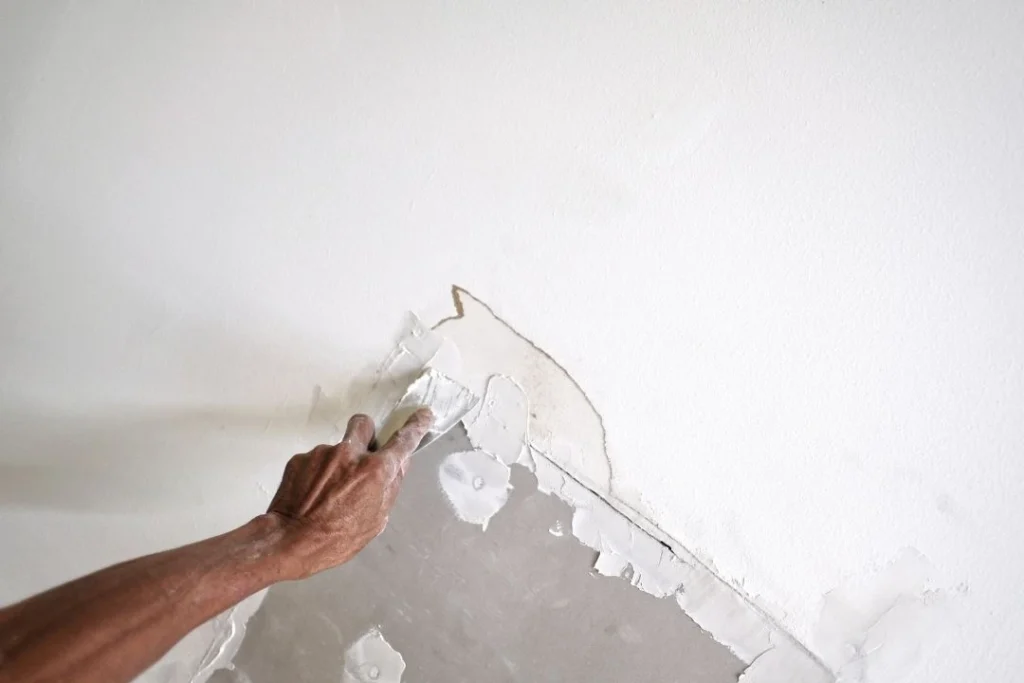
If you’re considering sustainable materials, it’s best to raise it with your plasterer early on in the project, ideally when you’re still getting quotes or finalising the scope of work. Not every tradie in Sydney works with recycled-content boards or low-VOC compounds regularly, so it’s worth checking their familiarity before work begins.
If you’re aiming for a sustainable project, don’t forget to ask these questions to your plasterer:
- Have you used recycled-content plasterboard or low-VOC compounds on past jobs?
- Can you get these materials through your local supplier?
- Will the installation, drying time, or finishing process need to be adjusted?
An experienced Sydney plasterer who’s worked with these materials before will know how to adapt techniques if needed. For example, low-VOC compounds may dry a little bit differently depending on humidity and ventilation, which can affect the sanding or recoating time. Talking to your plasterer early ensures the finish looks great and sustainability goals are met.
Exploring Greener Possibilities
Choosing sustainable materials like recycled-content plasterboards and low-VOC joint compounds is a practical step towards a healthier, more environmentally responsible building. Whether you’re renovating a home, fitting out a studio, or planning a new build, these products offer a way to align your project with modern values without sacrificing performance. While they may not be right for every scenario or budget, they’re no longer hard to access. With many options available through local suppliers and growing demand across Sydney, making a greener choice is easier than ever.
If you’re ready to start exploring eco-friendly wall lining solutions, start by discussing your plans with us! Our team can create a space that looks great, feels healthier, and leaves a lighter footprint behind. Great design begins with conscious choices, and we’re here to help you make them. Contact us today to get started!