Fresh paint has a funny way of revealing things you didn’t notice before. Once it goes on, subtle ripples, patch edges, and uneven lines suddenly stand out, especially when the light hits the wall just right. What often surprises homeowners is that the paint isn’t the issue at all. Modern lighting, lighter colour palettes, and open layouts highlight surface flaws rather than hide them, which is something many renovations in Sydney run into. That’s why plastering is important in renovations, creating the base for a clean, consistent paint finish.
In this article, we explain what’s happening beneath the paint and how plastering influences the end result.
Where Plastering Sits in the Renovation Process
Plastering sits between the structural changes and the final paint finish. It comes after walls are removed, ceilings adjusted, and services like electrical and plumbing are installed. This stage is where the shape and feel of the surfaces are locked in.
Once plastering is complete, the painter can only work with what’s there. Paint follows the surface rather than correcting it, which means uneven joints or poorly blended repairs remain visible once paint is applied. The condition of the plastered surface determines how straight, even, and uniform the painted result will appear under light.
How Plastering Quality Changes the Final Paint Finish
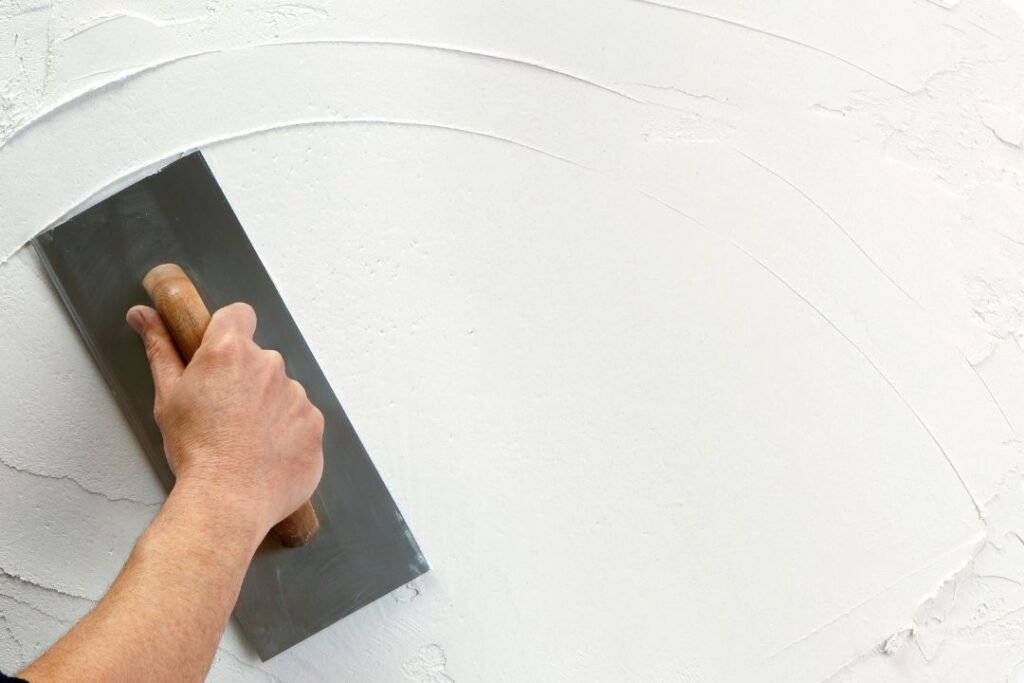
Walls and ceilings are rarely viewed straight on, especially once a renovation is finished. Light from windows, sliding doors, downlights, and LEDs washes across surfaces at an angle, making bumps, dips, and uneven joints easier to see after the paint is applied. Open-plan layouts and large glazed areas common in Sydney renovations leave walls exposed to light for most of the day, with little chance for surface flaws to disappear.
When plastering hasn’t been finished evenly, homeowners tend to notice the same paint-related issues once the job is complete:
- Visible joints or patch edges that still show through the paint
- Slight waviness or ripples that make walls look uneven in certain light
- Flashing, where repaired areas reflect light differently or appear a different shade
- Texture mismatches between new repairs and existing wall surfaces
- Cracks returning because movement wasn’t properly handled beneath the surface
It’s common to assume these issues can be fixed with more paint. In reality, paint adds colour and protection, not structure, so it follows whatever shape is already there. Extra coats can even draw more attention to differences in texture or sheen, rather than softening them.
Renovation-Specific Challenges in Sydney Homes
Older Housing Stock and Mixed Surfaces
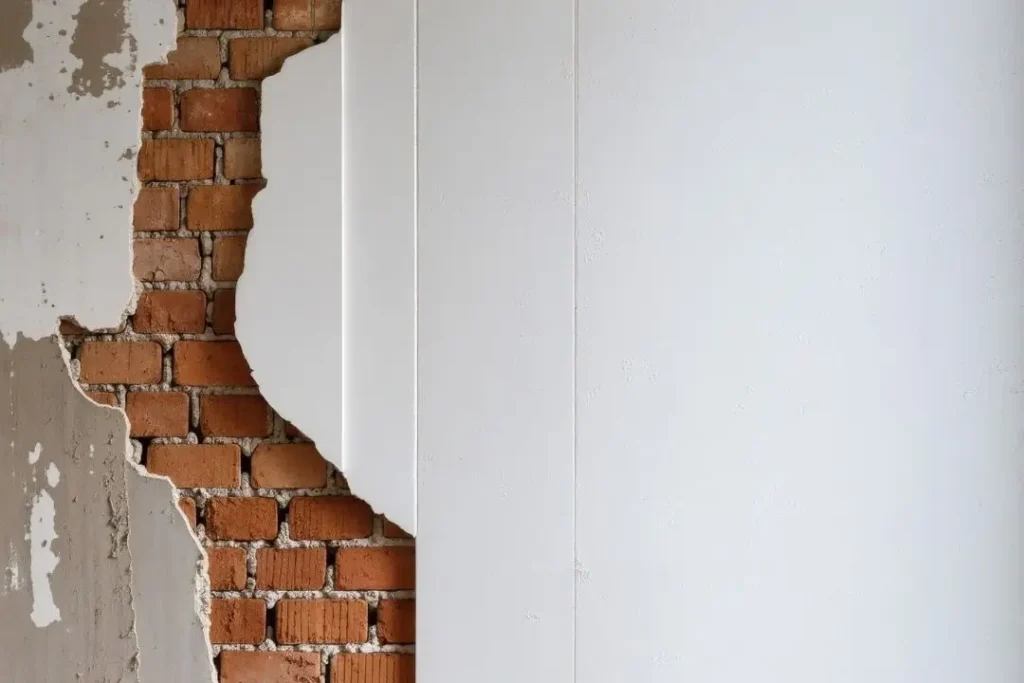
Many renovations involve working with older housing stock like brick homes with horse hair solid plaster, weatherboard houses with gyprock walls, and homes with various other interior lining materials, from timber-type products and cement sheeting common in postwar fibro homes. These housing types often bring a mix of original walls, older patch repairs, and newer linings into the same space. When these different surfaces aren’t carefully unified during plastering, joins tend to show because paint can’t disguise uneven substrates underneath.
Movement, Settling, and Lived-in Conditions
Renovation work can also introduce subtle movement into a home, particularly when walls are removed or new openings are created. Reactive clay soils common across Sydney add extra stress, especially in older homes that have already settled over time. Everyday changes like re-hung doors, new cabinetry, HVAC upgrades, and foot traffic can make movement visible through cracks in painted surfaces.
Modern Lighting and Contemporary Design Choices
LED downlights, feature pendants, and strip lighting are now standard in many Sydney homes. Their sharper, directional light makes even small inconsistencies in plastered walls and ceilings easier to see. Once the lights are on, paint simply reflects whatever finish is already there.
Best Practices that Lead to a Smoother Paint Result
A smoother paint finish usually comes down to how the surface is handled before painting begins. During renovations, these plastering considerations tend to have the biggest influence on how walls and ceilings read once colour and light are introduced.
- Get the surface consistent, not just patched. This means blending repairs into the surrounding area so the wall or ceiling reads as one continuous surface after painting, rather than a series of filled spots.
- Managing joins, corners and transitions. This involves careful finishing at ceiling lines, cornices, corners, and points where new work meets existing surfaces, as these areas are where paint reveals issues first.
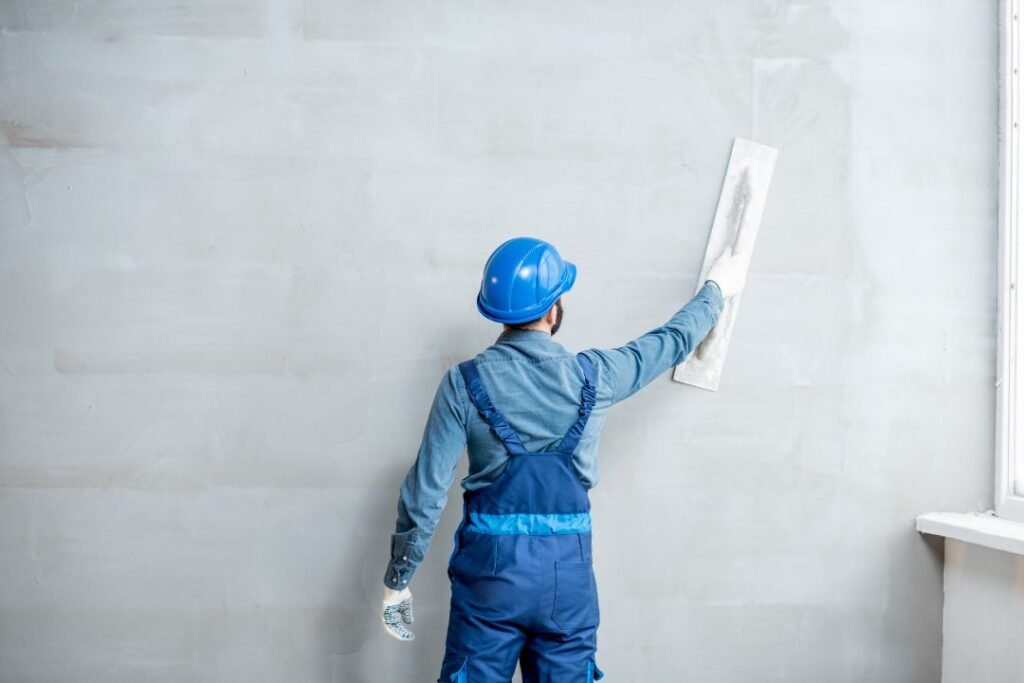
- Drying time and sequencing matter. Proper drying before painting helps avoid cracking, bubbling, and uneven sheen, issues that often come down to timing the coats appropriately rather than the paint itself.
- Coordinating plastering with the painter’s expectations. Finishing the surface to suit the chosen paint type and lighting conditions helps ensure the painted result looks consistent once the space is in use.
What to Check Before the Painter Starts
Before painting begins, it’s worth taking a moment to look over the plastered surfaces in the same way they’ll be seen once the home is finished. A few things homeowners should check at this stage include:
- Walls looking straight when viewed in natural light from the side
- Cornice lines appearing clean and continuous, without visible steps or breaks
- No obvious patch outlines, raised edges, or “halos” where repairs have been made
- Ceilings look even around downlights and feature lighting without shadowing or ripples
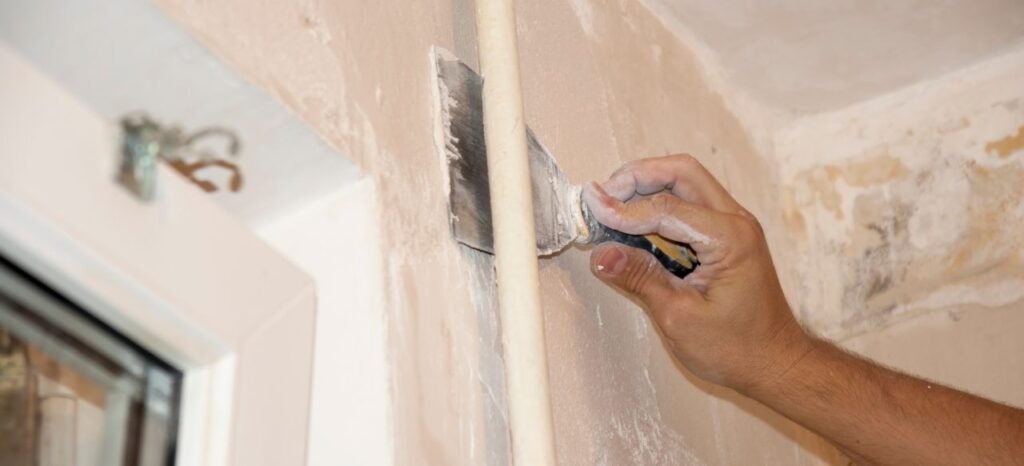
If something draws your eye before painting, you should ask a plasterer about it. Addressing surface concerns at this point is far simpler than trying to correct them once painting is complete.
When It’s Worth Addressing Plastering Before Painting
A quick re-check of the plastering can prevent surface issues from showing up after painting, especially in areas where light and sightlines draw attention to the finish. This is usually worth doing for feature walls, long hallways, stairwells, and open-plan living areas, which are viewed from multiple angles once the home is finished.
It’s also worth reassessing plastering after electrical changes, ceiling repairs, or cornice updates, where new work meets older surfaces. Homes with layers of past repairs can benefit from this step as well, as uneven areas often don’t become obvious until paint is applied.
This is also where the choice and coordination of trades starts to matter, as plastering often sits between structural work and painting. Understanding how to choose and sequence the right trades during a renovation can help avoid rushed finishes and surface issues showing up at the end.
The Best Paint Finish Starts Earlier Than Most People Think
A good paint finish doesn’t begin with the painter. It starts with the surface underneath, and that surface is shaped during plastering, long before colour is applied. In renovations, where old and new surfaces meet, lighting is stronger, and timelines are tighter, that early stage becomes even more important.
If you’re renovating and painting is coming up, taking the time to get the plastering right can make all the difference to how the finished space looks in both natural and artificial light. If you’re unsure whether everything is quite ready for painting, you can request a free quote and talk it through before moving ahead.
Call us today on 0415 801 028 for a free quote!