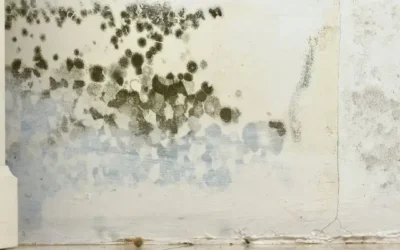
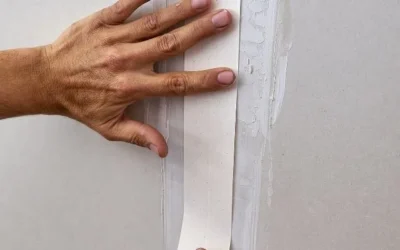
Choosing internal wall linings often feels like a background decision during a renovation. Many homeowners assume one sheet is just the same as another, especially once everything has been painted and finished. It’s usually not until lighting is installed or rooms start being used that differences in surface quality, joins, or durability become noticeable.
In homes across Sydney, plasterboard and fibre cement sheeting are the two most common options for internal walls. Both have their place, but they suit very different situations depending on the room, moisture exposure, and finish expectations. Understanding where each works best can help avoid finish issues that only become obvious after painting, tiling, and fit-off are already complete.
What is Plasterboard?
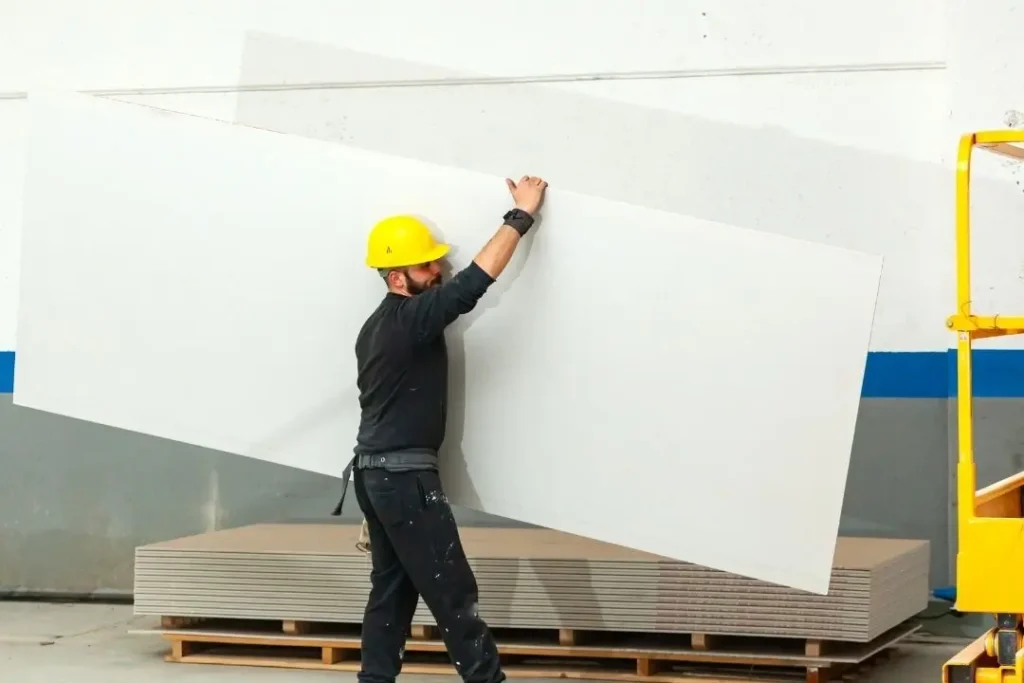
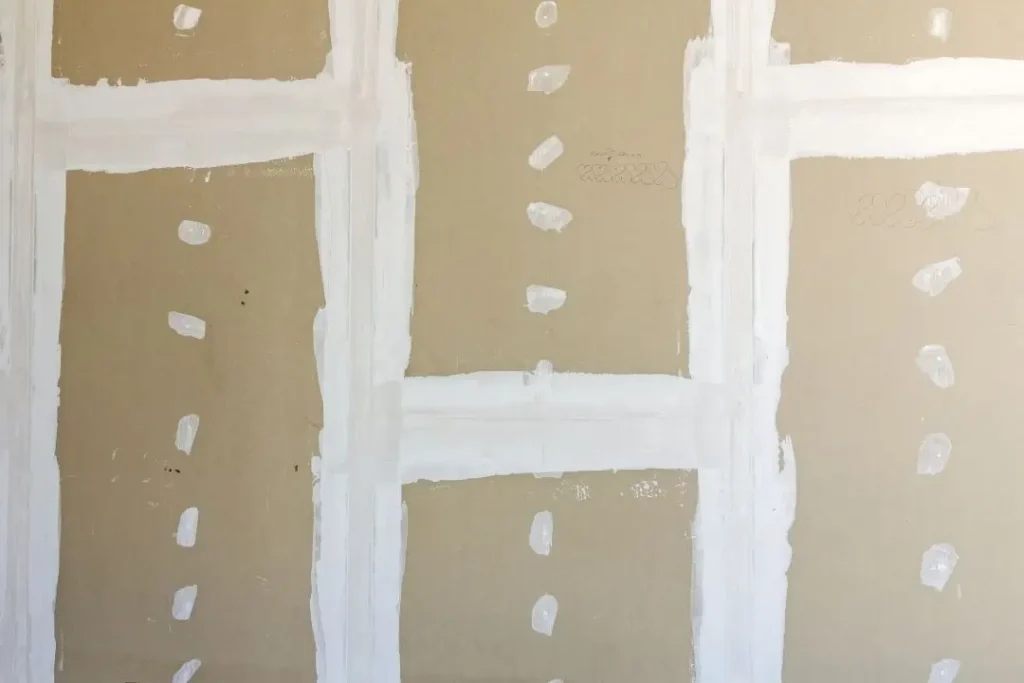
Plasterboard is the standard internal wall lining used in most modern Sydney homes. It’s lightweight, smooth, designed to create flat, even wall surfaces once set and painted. Because it produces a consistent finish, plasterboard is commonly used in living areas, bedrooms, hallways, and other spaces where appearance and comfort matter. This type of lining is widely used across Australian homes, with manufacturers like Gyprock producing residential plasterboard specifically suited to everyday internal living spaces.
One of the main reasons why plasterboard is widely used is because of its adaptability during renovations. It integrates easily with cornices, shadow lines, bulkheads, and feature walls. It also allows for clean detailing around doors, windows, and ceilings. This flexibility makes future changes such as repainting, updating lighting, or altering layouts much easier to manage without compromising the overall finish.
What is Fibre Cement Sheeting?
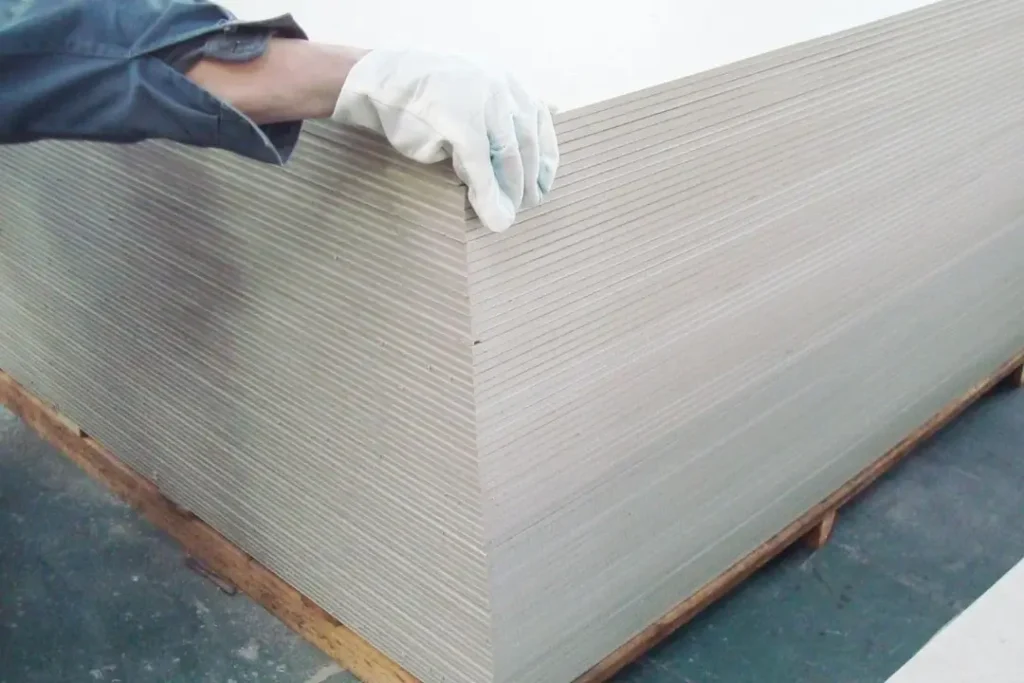
Fibre cement sheeting is a denser, more rigid wall lining commonly used in areas where moisture exposure or durability is a concern. Inside Sydney homes, it’s most often used in bathrooms, laundries, and utility spaces where the walls are more likely to deal with humidity, splashing, or regular cleaning. Major manufacturers such as James Hardie produce a range of interior lining products designed specifically for these environments.
Homeowners usually come across fibre cement sheeting during bathroom renovations or when repairing older homes that were built before moisture-resistant plasterboard became more common. While it’s tough and moisture-resistant, fibre cement is heavier, less forgiving during finishing, and requires more care at joins and transitions.
How Plasterboard and Fibre Cement Perform in Everyday Living
Surface Finish and Visual Outcome
One of the biggest differences between plasterboard and fibre cement shows up after painting, particularly in how smooth and consistent the walls look. Plasterboard is designed to create flat, even surfaces, which helps paint finishes appear cleaner and more uniform, especially in living rooms and bedrooms. This becomes more noticeable once lighting is installed, as downlights, feature lighting, and large windows can highlight joins or surface variations. Fibre cement can be finished well, but it needs more preparation to achieve the same visual result, which is why it’s usually reserved for areas where durability matters more rather than appearance.
Moisture Resistance and Wet Areas
Moisture is where the difference between plasterboard and fibre cement becomes more practical than visual. Walls in bathrooms, laundries, and kitchens are regularly exposed to steam, splashes, and ongoing humidity, which can affect how finishes hold up over time.
While moisture-resistant plasterboard may suit some controlled wet areas, fibre cement is often used where exposure is higher. In either case, penetrations, joins, and transitions still need careful detailing. Wall lining selection in these spaces needs to be considered alongside waterproofing, not in isolation, as issues in moisture-prone rooms often only become noticeable after painting or tiling is complete. We explore this further in our guide to wet area plastering and why correct wall lining choices matter.

Sound, Feel, and Comfort
Beyond appearance and moisture, wall linings also affect how a room feels once it’s lived in. Plasterboard tends to create warmer and more comfortable walls and it generally performs better acoustically when paired with appropriate insulation. Meanwhile, fibre cement is harder and transmits sound differently, which isn’t usually an issue in utility spaces but its impact on comfort is only noticeable when a person moves back into the space.
Why Mixing Wall Linings Can Cause Problems Later
Using both plasterboard and fibre cement in the same home is common, particularly during bathroom upgrades or partial renovations. Each material performs well in the right setting, but problems tend to arise at the points where they meet.
When these wall linings are combined, issues can develop because they:
- Respond differently to moisture and humidity over time
- Move and settle in different ways as the home changes with temperature and use
- Accept paint and finishes differently, especially at joins and transitions
- Require careful detailing where one material meets the other
When this detailing isn’t handled properly, it can result in cracking along joins, uneven wall surfaces, or visible lines that only appear after painting is complete. Because these symptoms show up later, they’re frequently mistaken for paint issues or general settling, when the actual cause is the way the wall linings were joined and finished earlier in the project.
Cost Considerations Beyond the Sheet Price
When comparing wall linings, the sheet price alone rarely tells the full story. Installation time, finishing requirements, and how easy future repairs will be all affect the true cost.
Plasterboard:
- Generally quicker to install and finish
- Easier to patch, repair, or modify during future updates
- More forgiving when repainting or making small layout changes
- Often results in lower labour time overall
Fibre Cement Sheeting:
- Typically takes longer to install and finish
- Requires more care at joins and transitions
- Repairs and alterations can be more involved
- May limit flexibility for future changes in some spaces
While these differences aren’t always obvious during planning, they can influence both the initial renovation cost and how straightforward the space is to maintain or update later on.
When a Professional Assessment Really Matters
Not every wall lining decision is straightforward. In many Sydney homes, especially older properties or spaces that have been renovated over time, conditions behind the walls aren’t always obvious. Moisture history, existing materials, and how different rooms connect can all influence which lining will perform best in the long term.
This is where a professional assessment can make a big difference. An experienced plasterer can look at how the space is used, identify potential problem areas before they’re covered up, and recommend the right lining approach that supports a consistent finish across the home. Getting the guidance early on helps avoid issues that only become apparent once paint or tiles are already in place.
Making the Right Choice for Your Home
Both plasterboard and fibre cement have a place in Sydney homes, and the right choice isn’t just about picking one material over the other. It comes down to how each room is used, the conditions it’s exposed to, and the level of finish you expect once the renovation is complete.
Thinking beyond the current stage of the project is important. Wall linings affect how spaces look under lighting, how well finishes hold up, and how easy it is to make changes later on. When the material suits the room and the long-term plan for the home, the result is a more consistent finish and fewer issues showing up after everything is painted and settled.

Planning Wall Repairs or a Renovation?
If you’re dealing with damaged walls, patchy finishes, or planning a renovation, the wall lining choice plays a big role in how successful the final result will be. In many cases, surface issues that show up after painting are linked to earlier lining decisions or repairs that didn’t fully address what was happening beneath the surface.
This same approach applies to repairs and upgrades, particularly when dealing with damaged or uneven walls. Our plasterboard wall repairs in Sydney focus on achieving consistent, long-lasting finishes that blend seamlessly with the rest of the home. If you’re renovating, repairing damaged walls, or are unsure which wall lining is right for your space, speaking with an experienced plasterer early can save time and help prevent finish issues later.
Get in touch with Paul’s Plastering to request a free quote and professional assessment for your Sydney home. Call us on 0415 801 028 to get started!