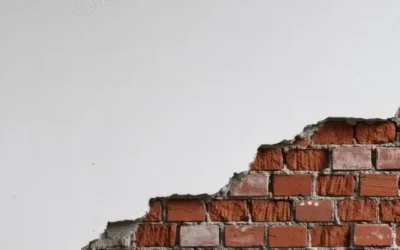
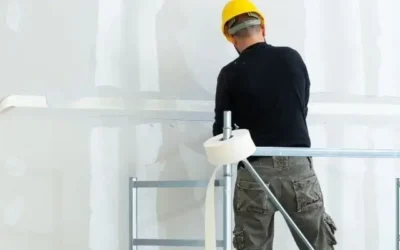
Finished renovating but something feels off? The paint is fresh, the room is clean, and everything should look right. But there’s one wall that keeps catching your eye. It might look slightly wavy when the sun hits it, or one corner doesn’t feel straight as it should once the downlights come on. It’s subtle, but once you notice it, it can be hard to ignore it. There are a few different reasons walls can end up looking “not straight”, and the cause isn’t always obvious at first glance.
In this post, we’ll look at what’s really going on when walls don’t look straight and why this is common after renovations in Sydney homes.
What “Not Straight” Actually Means
When a wall doesn’t look straight, it isn’t always clear what the issue actually is. In most cases, it comes down to one of the following:
- Not plumb. The wall leans slightly forward or back instead of sitting perfectly vertical. This is often most noticeable near door frames, tall wall sections, or where new trims meet older areas because those vertical lines are meant to feel visually solid.
- Not flat. The surface has gentle ripples, shallow bows, or subtle bulges. These imperfections might not be obvious to the touch, but they tend to show up when sunlight or downlights hit the wall from the side.
- Not square. Corners and junctions don’t line up cleanly. This usually stands out around skirting boards, wardrobes, kitchens, and built-in cabinetry, especially once everything else is crisp and new.
Renovations often highlight these issues rather than create them. Modern finishes and LED lighting are less forgiving, which makes uneven walls more noticeable once renovations blend older structures with new work.
Why It Happens (Even After a Renovation)
When walls don’t look straight after a renovation, it’s rarely due to a single issue. In most cases, the cause isn’t the paint or finish itself, but a combination of factors behind the wall.
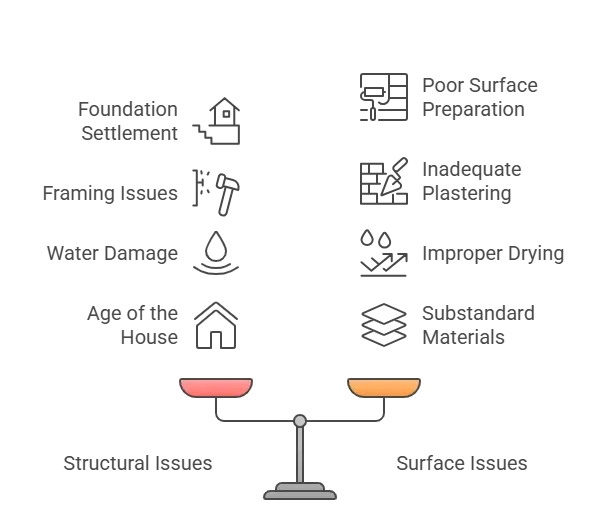
Foundation Settlement
Many parts of Sydney sit on reactive clay soils, which expand when they absorb moisture and shrink as they dry out. This constant movement can cause small shifts in a home’s structure, even if the building itself is sound.
Common signs include cracks that reappear after repainting, slight changes around door and window openings, or gaps that seem to open and close with the seasons. During a renovation, new plasterboard and fresh finishes can make these subtle movements more obvious because they don’t disguise changes the way older, layered surfaces did.
Framing Issues
Even small variations in wall framing can become visible once plasterboard and paint are applied. Studs and joists aren’t always perfectly aligned, especially in older homes or where repairs and extensions have been added over time. When light hits the wall from the side, those slight highs or lows can show through as waves or uneven planes.
This is common in renovations where new framing connects into existing structures. Older framing may not sit as straight as modern materials, and the transition between the two can draw the eye, especially along long wall runs, hallways, or around doors and windows.
Water Damage From Poor Waterproofing
When waterproofing fails or is never properly installed, moisture can slowly work its way into walls and ceilings. This can soften plasterboard, affect fixings, and lead to swelling or sagging that shows up as bulges, bows, or uneven areas. This is why wet-area waterproofing is so focused on keeping moisture out of wall cavities in the first place.
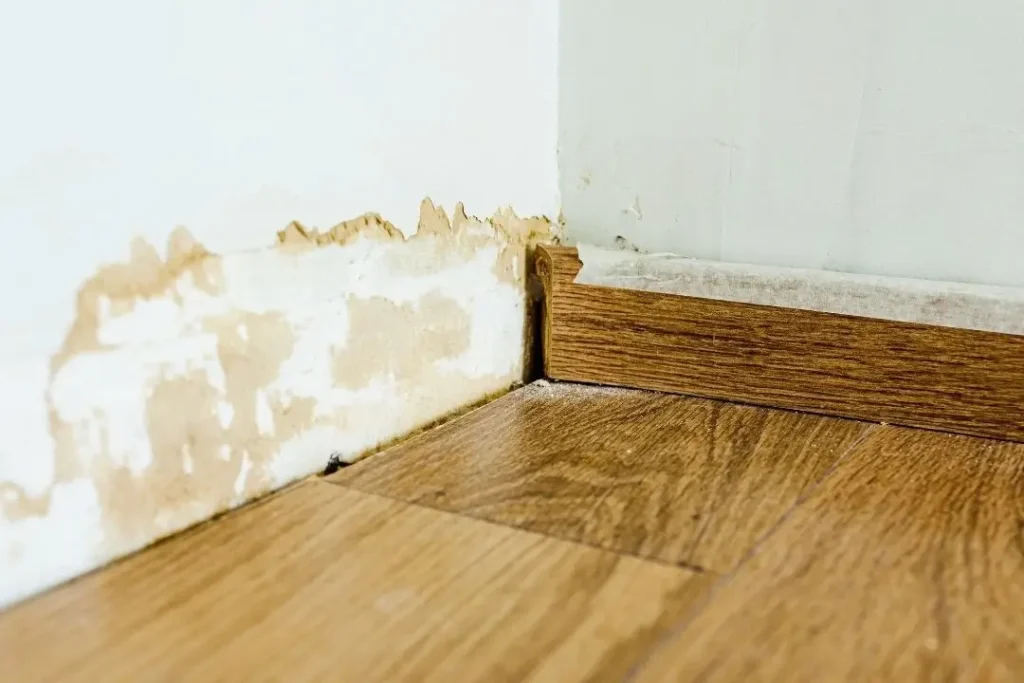
This issue is most common around bathrooms, laundries, and balconies, as well as homes with older roof or window detailing where waterproofing standards were different. Even after a renovation, walls impacted by past or ongoing waterproofing problems can continue to move, which is why surface-only repairs often don’t hold their shape.
Age of the House
Older housing styles weren’t built with perfectly straight lines as the goal. Federation homes, Californian bungalows, and early brick houses often prioritised solid construction over precise alignment, and many have settled gradually across decades of use. When new plasterboard, square-set finishes, or modern cabinetry are added to these homes after a renovation, they create reference points that highlight uneven planes, particularly where original walls meet new areas that have been reworked or extended.
Wood Warping and Seasonal Movement
Timber framing responds to changes in humidity and temperature, and those shifts can subtly affect how straight walls and ceilings appear. Homes exposed to coastal air, inland heat, or seasonal humidity can make timber expand, contract, or twist just enough for movement to show through finished surfaces. This is why a wall might look fine for months and start appearing uneven under certain light. This is noticeable along long wall runs, corners, and ceiling junctions, even when the finish hasn’t changed.
Poor Surface Preparation
Even when a wall feels smooth to the touch, poor surface prep can still show through once it’s painted. Old paint edges that weren’t properly feathered, patch boundaries that weren’t levelled, or dust left on the surface before sealing can leave subtle ridges and lines. Painting tends to bring these flaws to the surface. With smooth finishes and modern lighting, the eye picks up variations that were easy to miss earlier, especially across large wall areas or where older sections were patched rather than fully resurfaced.
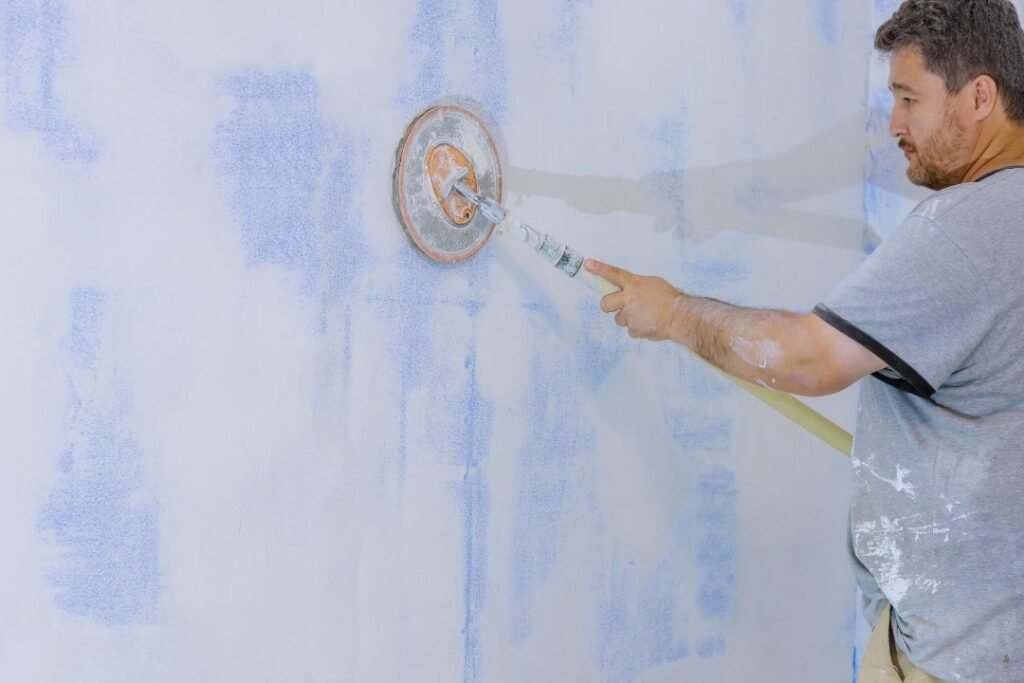
Inadequate Plastering Technique
Small inconsistencies in plastering can become obvious once a wall is fully finished. Slight hollows, high spots, uneven joins, or corners that aren’t cleanly formed can all affect how straight a wall appears, even if the work initially looked acceptable.
Long wall runs and open-plan areas tend to expose these issues the most. When light moves across the surface, the eye naturally follows the line of the wall, making minor variations stand out more than they would in smaller or broken-up spaces.
Improper Drying or Curing Between Stages
Plastering and finishing products need the right conditions to set properly. If compounds are applied too quickly between coats or drying is slowed by humidity, limited airflow, or rushed timelines, the material can shrink or shift after the job appears finished. This can lead to joins reappearing, fine cracking, or slight texture differences that only show up once the wall is painted and lit. Renovation sites often make this more likely, with rooms being opened, closed, or worked on by multiple trades while finishes are still curing.
Substandard Materials
Not all plasterboard, compounds, tapes, and finishes perform the same way. Lower-grade materials can be harder to blend smoothly and less stable once the wall is in everyday conditions, especially in areas where there’s movement or moisture exposure. This is why issues like visible joins, slight waves, or texture differences sometimes appear after painting rather than during a renovation.

Why Quick Cosmetic Fixes Don’t Last
It’s tempting to think another coat of paint or a thin patch will solve the problem. In reality, paint doesn’t hide unevenness when light hits a wall from the side, and in many cases, it makes surface variations stand out even more. When movement or moisture is involved, cosmetic fixes tend to be short-lived. A wall might look better for a while, but then the same joins, waves, or cracks slowly reappear. Thin patching can also shrink as it dries, leaving edges that become visible again once the wall is repainted. Many of these problems come from surface-level fixes or rushed patching, which are common DIY plastering mistakes that tend to show through later.
If your walls still look uneven after a renovation, it’s best to have them checked properly by a professional plasterer to avoid repeat fixes and make sure the solution actually lasts.
What to Look For Before You Try to “Fix It Again”
Before committing to another repair, a few simple observations can help point you in the right direction. You don’t need to diagnose the problem yourself, but noticing these patterns can make it easier to understand what’s really going on.
- Is the issue limited to one wall or does it show up across multiple rooms?
- Does it seem to change with the weather or between seasons?
- Is there any history of leaks, damp smells, or bubbling paint in the area?
- Is it most noticeable near windows, doors, corners, or under downlights?
- Did the renovation join new wall sections into older parts of the home?
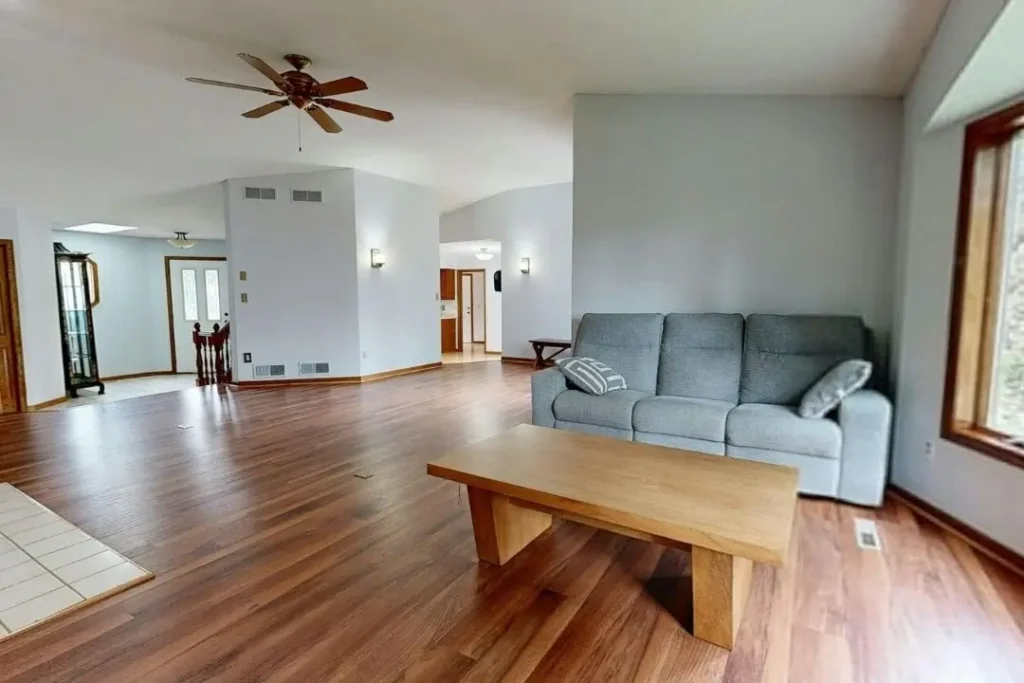
Noticing these details can help clarify whether the issue is a simple surface problem or something deeper that needs a different approach.
Getting Walls That Look Straight in Real-World Lighting
Walls can still look uneven after a renovation for a lot of reasons, from how a house has moved over time to how surfaces were prepared and finished. Modern lighting, smooth paint, and sharp new details tend to make those issues easier to see, not easier to hide. That’s why walls can look fine during the renovation and only start standing out once everything is complete.
For homeowners planning a renovation, the way plastering is handled directly affects how finished walls look once the job is done. Taking existing conditions into account and preparing surfaces properly helps avoid uneven lines and visible waves later on. If you want your walls to actually look straight once the renovation is finished, our renovation plastering services are set up to get the preparation and finish right from the start.
Request a Free Quote
If you’re renovating and want things to come together properly, having trades work in the right order matters. We work in step with other trades to prepare walls and ceilings so the rest of the renovation can move forward without surface issues showing up later.
Call 0415 801 028 for an onsite assessment and free quote!