A renovation can look finished and still feel slightly off once you’re living in it, with walls catching the light strangely, ceilings feeling uneven, or fine cracks appearing sooner than expected. This is common in Sydney homes after renovations that open up layouts, add downlights, or bring in larger windows, where light, movement, and humidity quickly expose surface flaws. In many cases, the issue isn’t the paint or fittings but the plastering underneath, and this post explains how poor plastering can quietly undermine the entire renovation after it’s completed.
Why Plastering Matters More Than Most Homeowners Realise
Plastering is often thought of as the step that makes walls smooth before painting, but it directly affects how walls and ceilings perform once a renovation is complete. Paint, cabinetry, tiles, cornices, and lighting all rely on the plaster underneath being flat, stable, and bonded. Once plastering is finished, fixing problems usually means disturbing other finished work, which is why errors become expensive to correct.
Changes like open-plan layouts, ceiling alterations, and modern lighting place walls and ceilings under closer scrutiny, particularly in Sydney homes with larger windows or feature directional lighting which can reveal uneven surfaces and joints that weren’t obvious during construction.
Common Plastering Mistakes That Create Bigger Problems Later
1. Inadequate Surface Preparation
Plaster needs a clean, stable surface to bond properly, but preparation is often rushed during renovations. Dust, residue, or unstable backing can prevent plastering from adhering, even if the finish looks acceptable at first. Cracking or sections of plaster separating from the surface often appear after painting or once the home starts to settle.
2. Incorrect Mixing Ratios
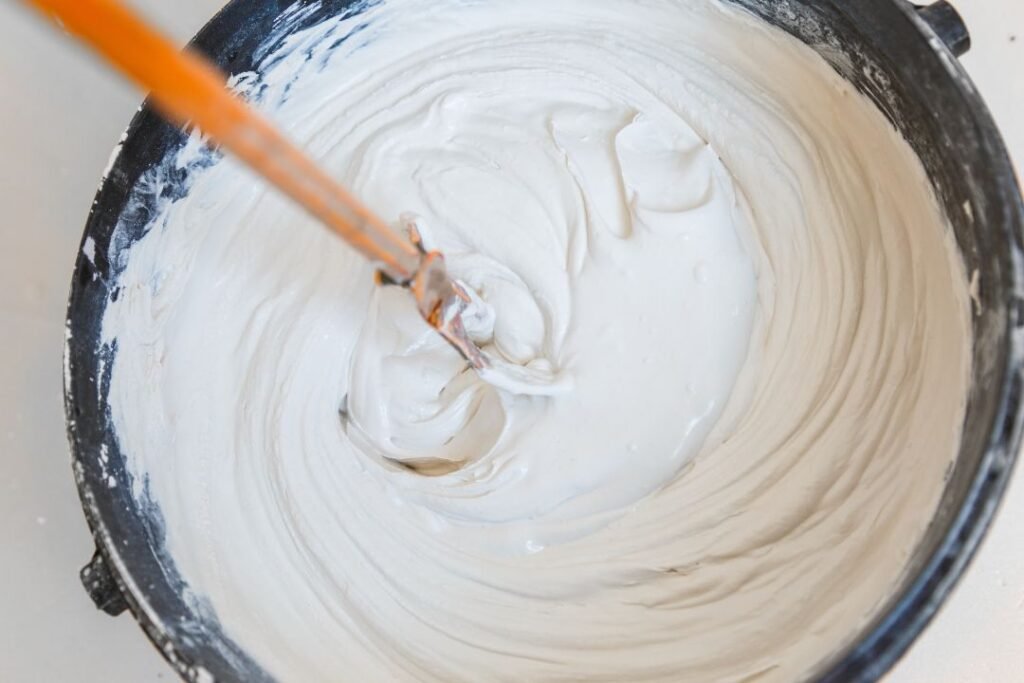
Plaster has to be mixed correctly to achieve the strength it’s designed for. When the mix is too wet or too dry, the finished surface can end up weak, brittle, or uneven as it cures. These issues may not be visible straight away, but they leave walls and ceilings more vulnerable to cracks and dents with normal use.
3. Uneven Application
Inconsistent plaster thickness can create subtle waves, ridges, and dips that are easy to miss before painting. Once downlights, pendant lighting, or strong natural light are introduced, lighting reveals defects that weren’t obvious earlier. Even high-quality finishes can look rushed when the surface underneath isn’t level.
4. Improper Curing
Plaster needs time and the right conditions to dry evenly and gain strength. When curing is rushed or uneven, the surface can sag, bubble, or weaken beneath the paint. This commonly happens in renovations with tight timelines, where the plaster may look fine at first glance but lacks long-term stability.
How Poor Plastering Affects the Structure of a Renovated Home
Moisture Penetration and Damp Issues
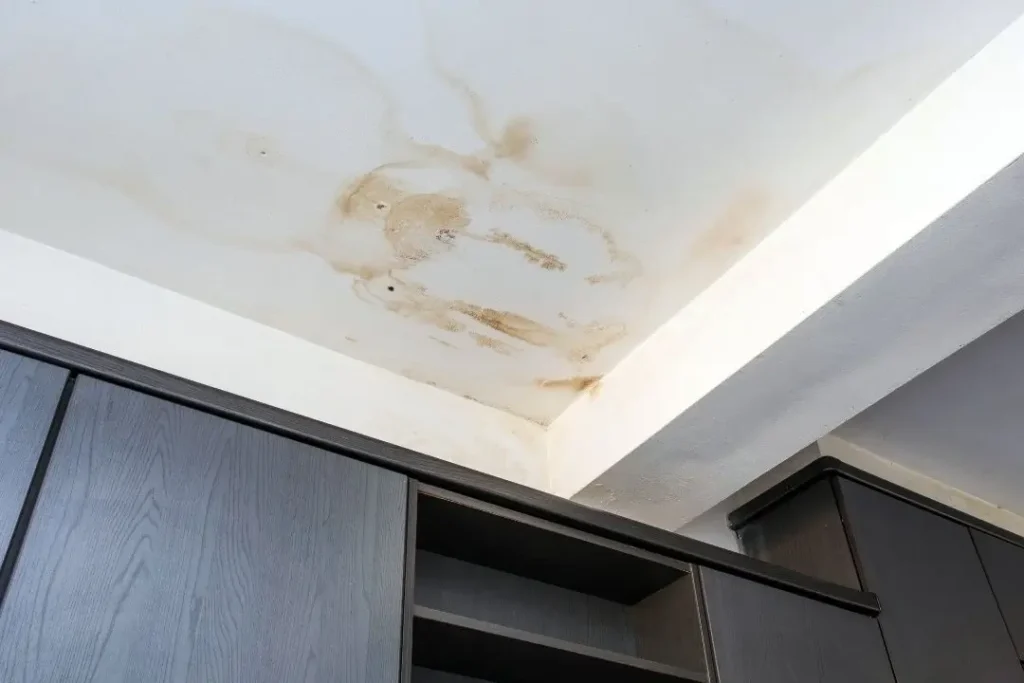
Cracks, weak joints, or poorly finished areas can allow moisture to enter wall and ceiling cavities. Coastal humidity, older brick construction, and wet areas like bathrooms and laundries can make these issues harder to contain. Once moisture gets behind the surface, it can lead to damp patches, musty smells, or mould forming out of sight.
Breakdown Between Layers
Plaster forms the base that supports paint, tiles, cabinetry, and trims throughout the home. When plaster isn’t stable, those finishes can start to lift, crack, or pull away, particularly where new renovation work meets older walls and ceilings.
When Small Defects Lead to Full Redos
Access to walls and ceilings becomes limited once a renovation is complete, especially in tightly planned layouts or multi-storey homes. Small defects can be difficult to isolate and repairs may involve disturbing finished areas. This is how minor plastering problems end up forcing larger sections of a renovation to be reopened.
The Visual Fallout: When a Renovation Starts to Look Cheap
Even a well-designed renovation can lose its impact when the plastering isn’t right. Uneven walls and ceilings change how light behaves in a space, making flaws stand out that weren’t obvious during construction. Common visual issues homeowners notice include:
- Shadows that highlight ripples joints, or uneven patches once lighting is installed
- Walls that look different depending on the time of day or angle of light
- Ceilings that draw attention for the wrong reasons, especially under downlights
- Feature walls and open-plan spaces that never look quite finished
Most people can’t pinpoint the cause but they notice the effect. Guests and potential buyers tend to read walls and ceilings subconsciously, and visible plastering issues can quietly lower the perceived quality and value of a home.
The Cost Fallout: Why Fixing Plastering Mistakes is Rarely Cheap
Plastering issues rarely come with a clear price tag once a renovation is finished. What looks like a small crack or uneven section often can’t be fixed in isolation because plaster sits behind every finished surface. Ultimately, the cost isn’t just the wall or ceiling repairs, but also gaining access to it without damaging everything around it.
For homeowners, this often shows up as:
- Repairs that require more work than originally expected
- Extra labour simply to reach the problem area
- Flow-on delays are common when earlier work needs to be reopened, contributing to wider building delays during renovations
- Budgets stretching to cover work that wasn’t planned for
Because plastering is embedded in the structure of a home, problems tend to expand rather than stay contained. This is why issues that seem minor at first can take up more of the budget than planned.
Getting the Foundations Right Before the Finishes Go On
Plastering works best when it’s planned as part of the renovation sequence, which is why the timing of plastering during a renovation matters. Assessing walls and ceilings early allows issues like uneven substrates, past repairs, or movement-prone areas to be addressed before lighting, cabinetry, and finishes go in. This reduces the risk of surface problems only becoming visible once everything else is finished.
Homeowners planning renovations that involve layout changes, ceiling work, or lighting upgrades often benefit from having plastering assessed upfront. Professional renovation plastering services are designed to support these projects by making sure walls and ceilings are properly prepared before finishes are applied, helping protect the investment being made across the rest of the renovation.
Have Your Walls and Ceilings Checked Before Issues Escalate
If you’re investing in a renovation, making sure the plastering is right from the start can help protect everything that follows. Paul’s Plastering works with homeowners across Sydney to assess walls and ceilings before final finishes go on. You can get in touch for a free, no-obligation quote and straightforward guidance based on your renovation plans.