Plasterboard and timber lining boards can look equally finished on day one, but they don’t age the same way. Many homeowners are drawn to the warmth and character of timber lining, while others prefer the seamless finish of plasterboard. Both materials can work well when used correctly, but they behave very differently once a home is lived in.
This article compares plasterboard and timber lining beyond appearance alone. It explains how each option affects installation, maintenance, long-term costs, climate performance in Sydney homes, and flexibility for future renovations, helping you choose a finish that suits your space and lifestyle.
What is Plasterboard?
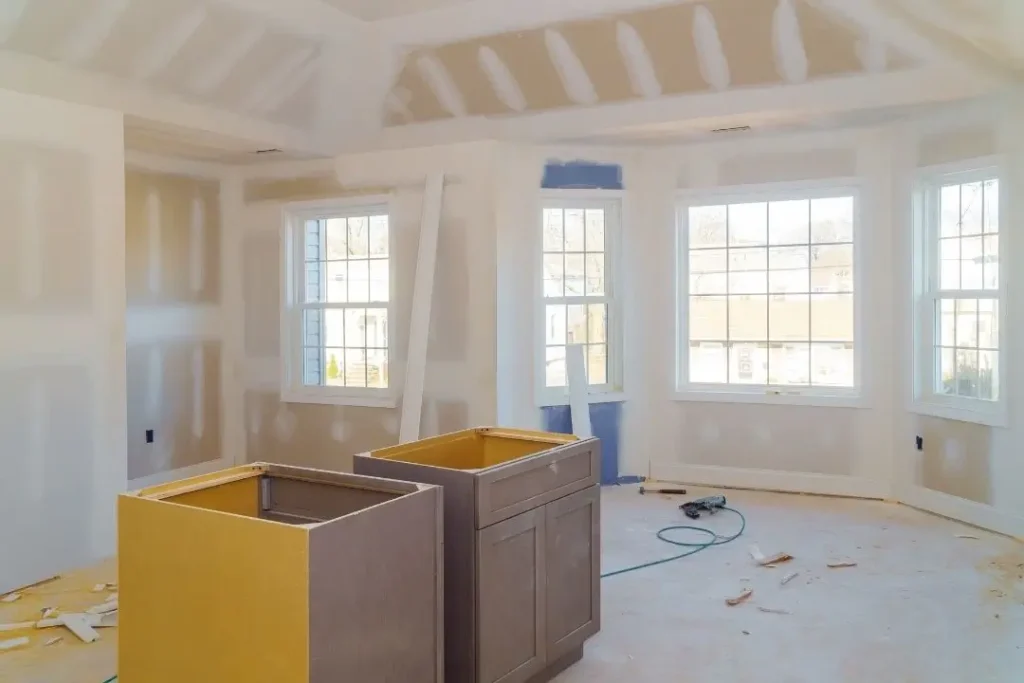
Plasterboard is a flat sheet material used to line internal walls and ceilings. Once installed, it’s set and finished to create a smooth and continuous surface that’s typically painted. It results in a clean backdrop that supports the rest of the home’s design rather than drawing attention to itself.
This adaptability is one of the reasons plasterboard remains widely used in Sydney homes, particularly for homeowners considering updates over time and understanding why plasterboard suits modern renovations. It works well with lighting, cabinetry, and built-in features that need flat, flush surfaces to look intentional. Walls and ceilings can also be repainted, repaired, or updated over time without changing the underlying structure.
What are Timber Lining Boards?
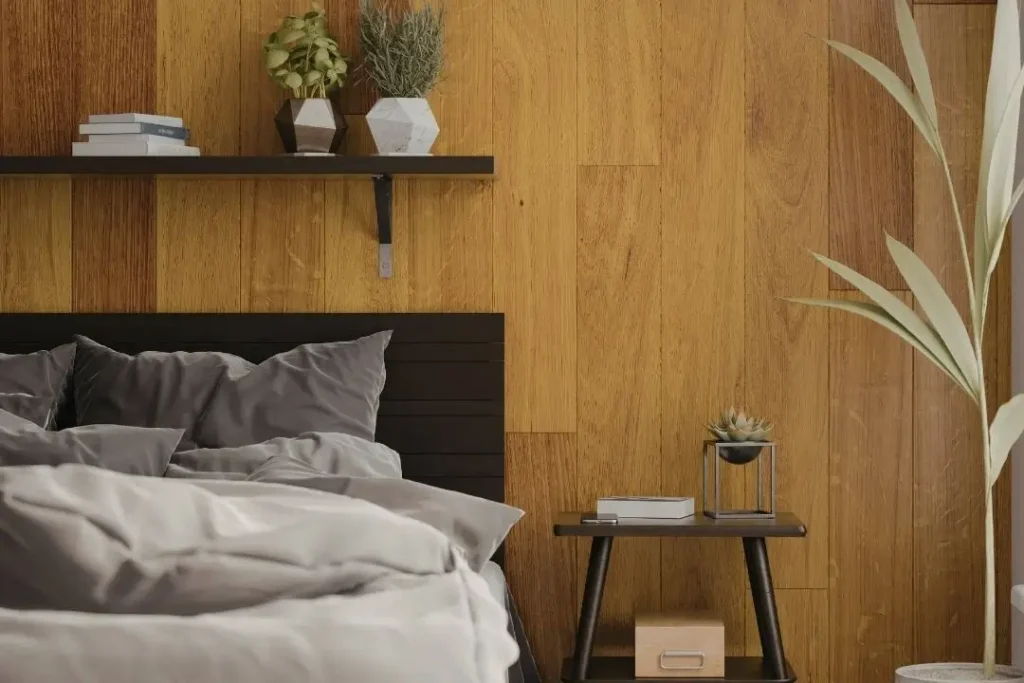
Timber lining boards are individual boards fixed side by side across internal walls or ceilings. They’re often supplied by specialist timber merchants such as Nationwide Timber, and chosen for their natural texture, visible grain, and the warmth they bring to a space. Because each board is installed separately, joints and variations are part of the finished look.
Timber linings are commonly used as feature walls or ceilings rather than throughout an entire home. Their strong visual presence can add character, but it also makes them more dominant within a room. Unlike plasterboard, timber boards tend to define the space rather than act as a neutral background.
Aesthetic Comparison: Clean Continuity vs Visual Texture
Plasterboard supports clean, continuous interiors where walls and ceilings fade into the background. This allows furniture, joinery, lighting, and artwork to lead the visual story of the space, while still leaving room for subtle plaster-based details that help with adding character to interiors without relying on visually dominant linings. It’s effective in open-plan areas where visual flow matters.
Timber lining boards introduce texture and movement through visible lines and grain. The texture can add warmth and interest, but it also draws the eye and becomes a feature in its own right. In smaller rooms or spaces with limited natural light, timber linings can feel visually heavier if not carefully balanced.
Installation Process and Project Complexity
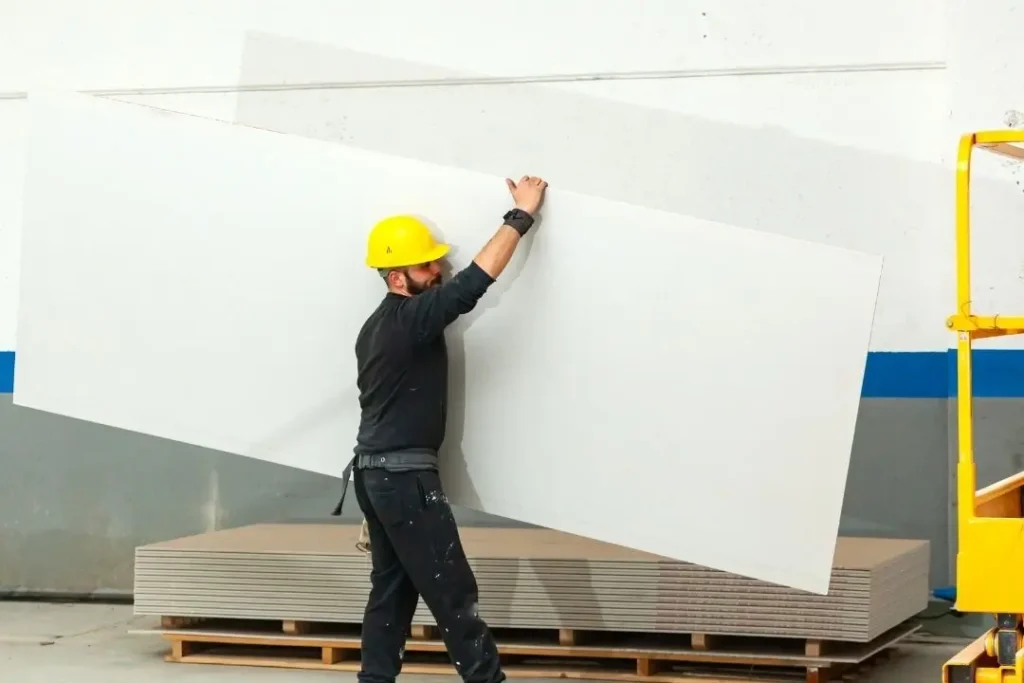
Plasterboard is installed in large sheets then set and sanded to create a flat surface. When finished well, joins and fixings disappear, leaving continuous walls and ceilings. Careful preparation and attention to detail at corners, junctions, and transitions are needed to achieve this result, particularly when plastering as part of a renovation, where finishes need to integrate with existing surrounding surfaces which may not be plumb or level.
On the other hand, timber lining boards are installed individually, with each board needing accurate alignment and fixing. Allowances must be made for natural timber movement, especially across long wall runs or ceilings. Because the large number of joints and visual complexity is high, the installation of timber lining has a greater margin for error compared to plasterboard.
Maintenance and Long-Term Care
Once plasterboard is painted, ongoing maintenance is minimal. Surfaces can be refreshed with repainting as styles change, and small repairs are usually blended in. Plasterboard tends to maintain a consistent appearance with little intervention.
Timber lining boards need more attention to keep them looking their best. Depending on the timber and finish, boards may need periodic sealing, oiling, or refinishing. Natural movement can also lead to small gaps or visible changes over time, particularly in homes exposed to humidity or fluctuating temperatures.
Cost Comparison: Initial Install vs Lifetime Cost
Plasterboard is more cost-effective to install, particularly when included as part of a broad renovation or extension. Materials are widely available and the installation is efficient when planned properly. This makes the overall costs easier to predict from the start.
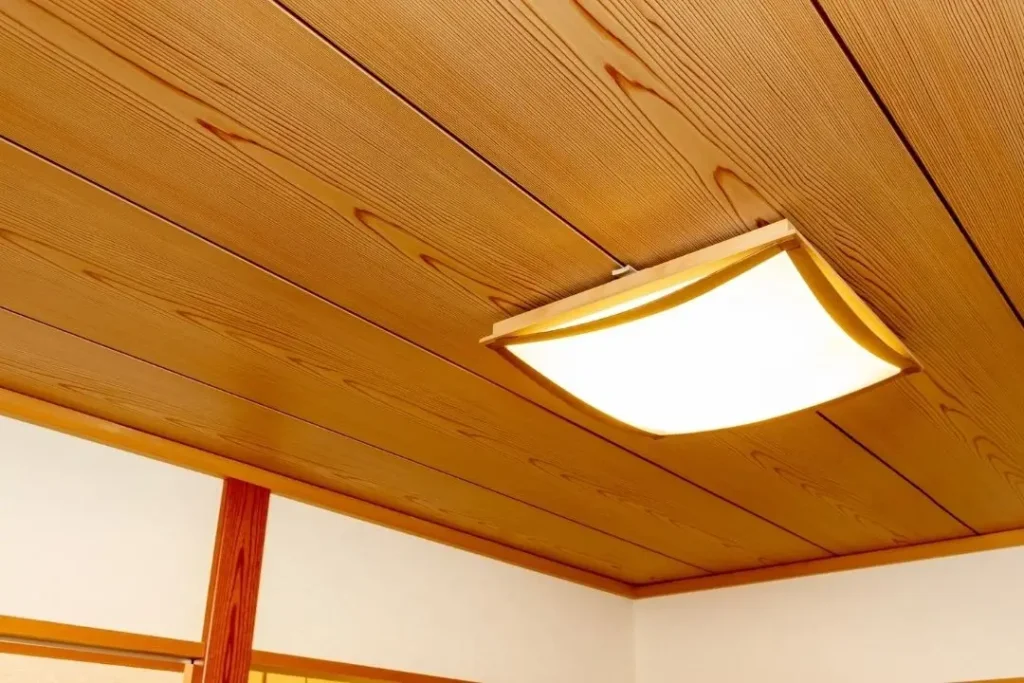
In contrast, timber lining boards often involve higher upfront costs due to material selection and labour time. While the visual impact can be appealing, it’s worth considering the long-term costs associated with maintenance and potential refinishing.
Climate Considerations in Sydney Homes
Sydney’s climate can have a noticeable impact on internal wall and ceiling finishes over time. Seasonal humidity, temperature changes, and coastal air can influence how materials expand, contract, and age within a home. Plasterboard generally tolerates these conditions well when installed and finished properly. Timber lining boards are more sensitive to moisture and environmental change, which means movement and gaps can become more visible if allowances aren’t carefully planned.
How Renovation and Future Changes Factor In
Homes rarely stay exactly the same over time. Lighting upgrades, additional power points, and layout changes are common as families grow or lifestyles shift. Internal wall and ceiling finishes play a bigger role in how smoothly these updates can happen than many homeowners expect.
Plasterboard is easier to modify and repair as part of future renovations. Changes can often be completed cleanly, with the assistance of professional plastering services patched areas can be seamlessly blended into the existing surfaces. Timber lining boards can be more difficult to alter without disrupting the overall look, especially if matching boards or finishes are no longer available.
Choosing What Suits Your Home Long-Term
Both plasterboard and timber lining boards can work well in Sydney homes when chosen with long-term use in mind. The right option though depends less on trends and more on lifestyle, maintenance expectations, and how likely the home is to change over time.

Plasterboard may be the right choice if:
- You want a clean, neutral finish that works across most rooms
- Low ongoing maintenance is a priority
- Future repainting, lighting upgrades, or layout changes are likely
- You prefer flexibility as styles or needs evolve
Timber lining boards may be the right choice if:
- You’re aiming to create a strong visual feature rather than a neutral backdrop
- Natural texture and variation are central to the design
- You’re comfortable with periodic upkeep and refinishing
- The boards are used intentionally in selected areas, not throughout the entire home
Planning a Renovation and Unsure Which Finish to Choose?
Choosing between plasterboard and timber lining boards is about more than how a space looks when it’s finished. It’s also about how your walls and ceilings perform over time, how easily your home can adapt to change, and how much ongoing maintenance fits your lifestyle. Thinking these things through early can help avoid finishes that look great at first but don’t suit everyday living.
If you’re renovating or updating internal spaces and want advice that’s specific to your home, we’re happy to talk it through. We’ll look at how your space is used, the condition of the existing walls and ceilings, and what will work best long term. You can get in touch for a free, no-obligation quote, and we’ll help you plan finishes that work well long after the renovation is complete.