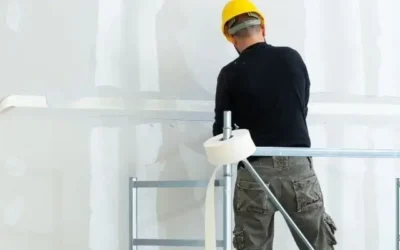
When renovating an older Sydney home, internal walls often raise more questions than expected. You might remove old linings and uncover brickwork, or strip back dated finishes to find a besser block wall behind them. At that point, the decision isn’t about rebuilding walls, it’s about how those walls should be finished moving forward.
Should the brick or block stay exposed?
Should it be re-plastered?
Or should it be lined with plasterboard instead?
Each option affects how the space looks, sounds, and feels once the renovation is complete. Understanding how these finishes behave helps avoid decisions that seem appealing early on but cause frustration later.
Understanding What You’re Working With
In many older Sydney homes, internal walls fall into one of three categories:
- Brick walls, often part of cavity brick or double-brick wall construction.
- Besser block walls, commonly used for internal load-bearing or garage-adjacent walls
- Solid plaster finishes, applied directly over masonry in older homes
These walls are already there. The renovation decision is about whether to retain the existing surface and make it a feature wall, repair and re-plaster it, or line over it with plasterboard to suit modern living.
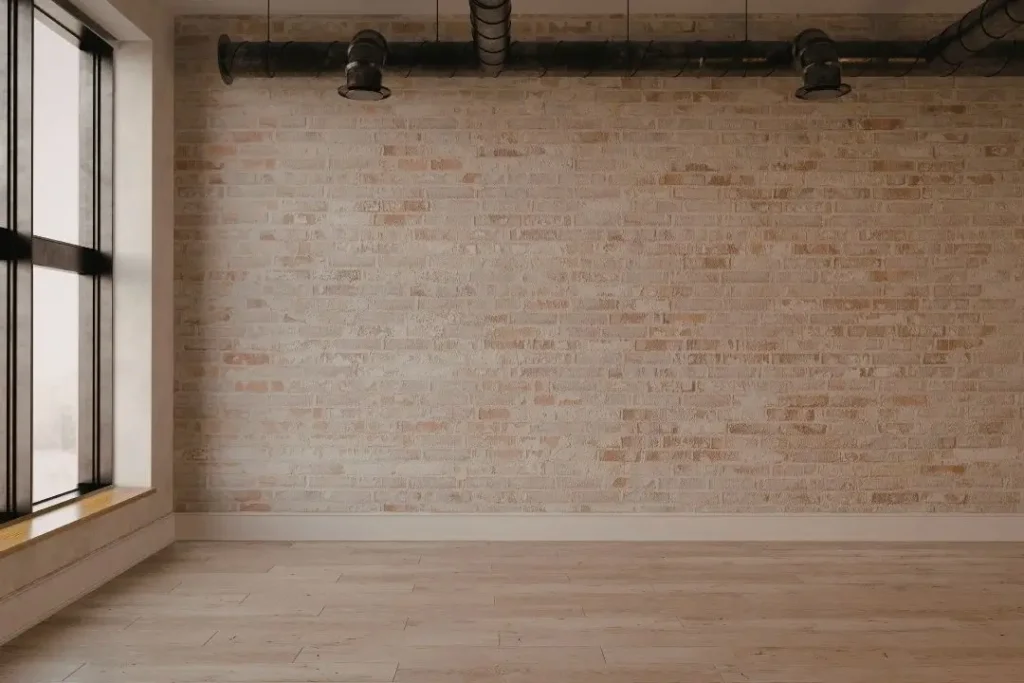
Keeping Exposed Brick or Block Internally
Exposed brick or block is usually chosen deliberately for its texture and character. Uneven joints, patched sections, and signs of age are part of the appeal, particularly in homes aiming for an industrial, warehouse, or raw architectural feel. It works best when it’s intentional and balanced with cleaner elements elsewhere, rather than being treated as a halfway finish.
Solid Plaster Over Masonry: A Traditional Finish
Solid plaster involves applying plaster directly over brick or block walls to create a smoother surface. This was the standard approach in many older Sydney homes before plasterboard became common.
When done well, solid plaster produces a durable, dense finish that feels substantial and suits traditional homes. It can help straighten uneven masonry and improve the visual consistency of older walls.
The downside is that solid plaster is labour-intensive and relies heavily on precision. Repairs can be more complex, and achieving perfectly straight walls in older homes isn’t always straightforward. It also offers limited flexibility if the layout needs to change later.
For homeowners restoring period homes and retaining original character, solid plaster can make sense. For homes undergoing more significant layout changes, it may become restrictive.
Lining Over with Plasterboard: The Modern Renovation Approach
Plasterboard is now the most common way internal walls are finished during renovations, even when the structure behind them is brick or block.
Lining over masonry with plasterboard allows walls to be straightened, services to be concealed, and insulation or acoustic treatments to be added. This is particularly valuable in homes being updated for modern lighting, open-plan layouts, or low-sheen paint finishes.
Plasterboard also provides consistency. Once installed correctly, it creates a uniform surface across old and new parts of the home, which helps renovations feel cohesive rather than pieced together.
The key consideration is that plasterboard performance depends on the system, not just the board itself. Framing alignment, fixing, jointing, and transitions all influence how the wall looks once painted.

Finish Quality and Lighting: Where Differences Show Up
Many homeowners don’t notice wall issues until the renovation is finished and lighting changes the way surfaces are seen. Downlights, larger windows, and lighter paint colours tend to highlight imperfections that were previously hidden.
Exposed masonry often shows its age under modern lighting, though this is often the desired outcome with this design choice. Solid plaster can perform well but may reveal unevenness in older walls. Plasterboard, when installed properly, offers the most control over flatness and finish consistency.
This is why wall finish decisions have a direct impact on how “finished” a renovation feels once you’re living in it.
Sound, Comfort, and Practical Living
Hard masonry surfaces can reflect sound, particularly in open-plan spaces. Solid plaster performs slightly better, but still lacks flexibility. Plasterboard systems allow for insulation and acoustic improvements to be built into the wall assembly, which can make living spaces noticeably more comfortable.
How These Finishes Are Used in Real Renovations
In practice, most Sydney renovations use a combination of approaches.
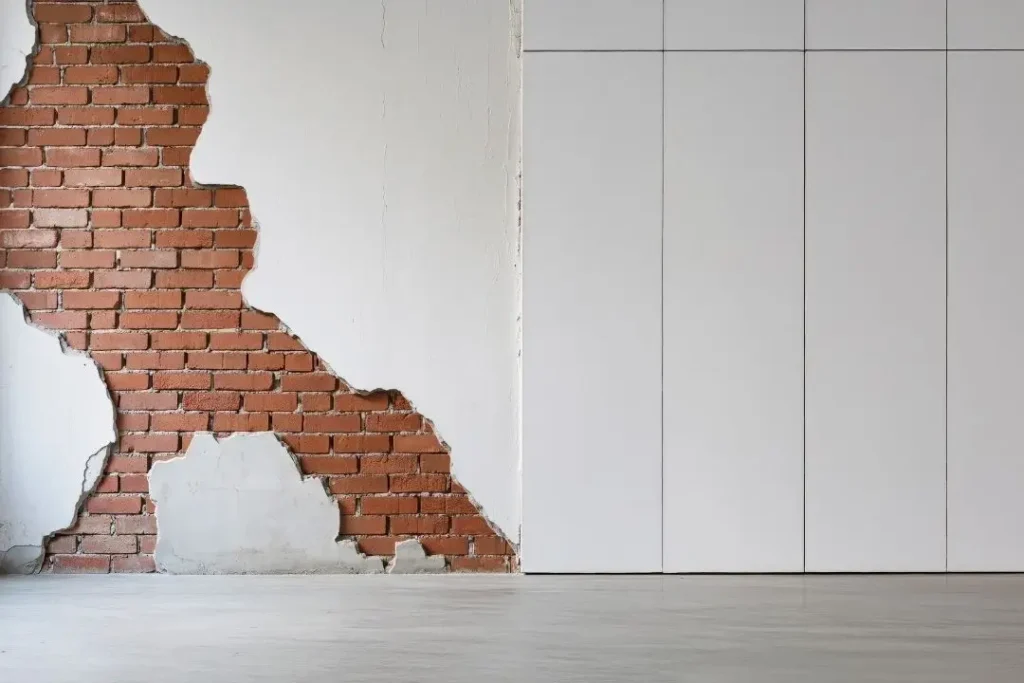
Some masonry walls are retained and repaired where structure or character matters. Others are lined over with plasterboard to improve finishes and bring older spaces up to modern expectations.
The important part is how these transitions are handled. When different wall types meet, poor alignment or rushed detailing can make the renovation feel disjointed.
This is where experienced renovation plastering services in Sydney play a critical role, ensuring new and existing surfaces work together cleanly.
Choosing the Right Finish for Your Home
There’s no universal “best” option. The right choice depends on the condition of the existing walls, the level of change planned, and how you want the space to look and function once complete.
Keeping exposed masonry may suit some homes, but it’s rarely forgiving. Solid plaster can preserve character but limits flexibility. Plasterboard offers control and adaptability, but only when installed properly.
What matters most is making these decisions early. Once walls are finished and painted, changing direction becomes far more costly than getting the approach right from the start.
Planning Ahead Makes the Difference
If you’re renovating and weighing up exposed brick, solid plaster, or plasterboard linings, professional advice can help you avoid compromises that only become obvious after the renovation is finished.If you’re planning a renovation and want your internal walls to support the finished result, get in touch for a free quote and advice tailored to your Sydney home.